

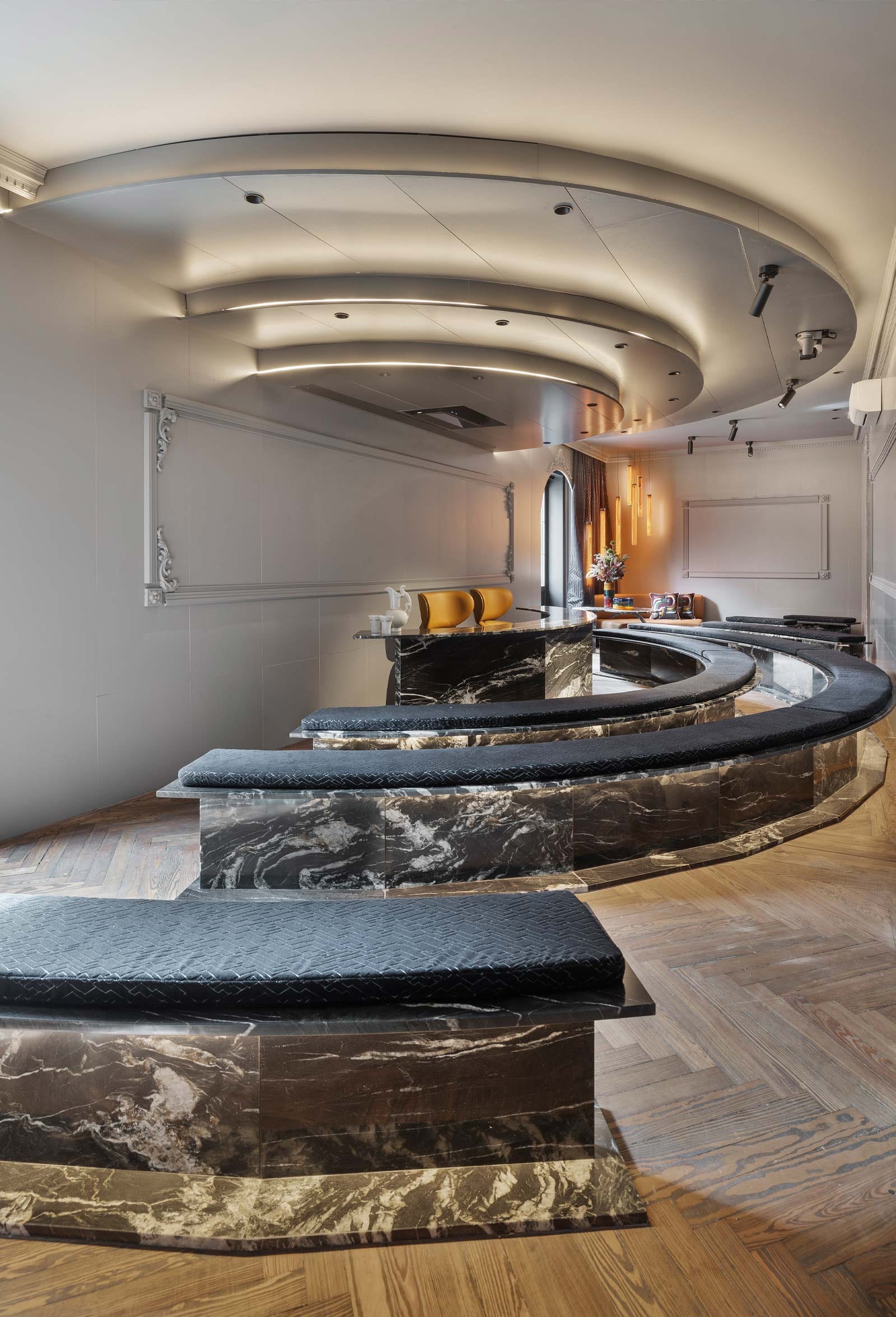
What decorative acoustic panels are, the types available based on material and format, and how to choose them so that both design and acoustics work well together.
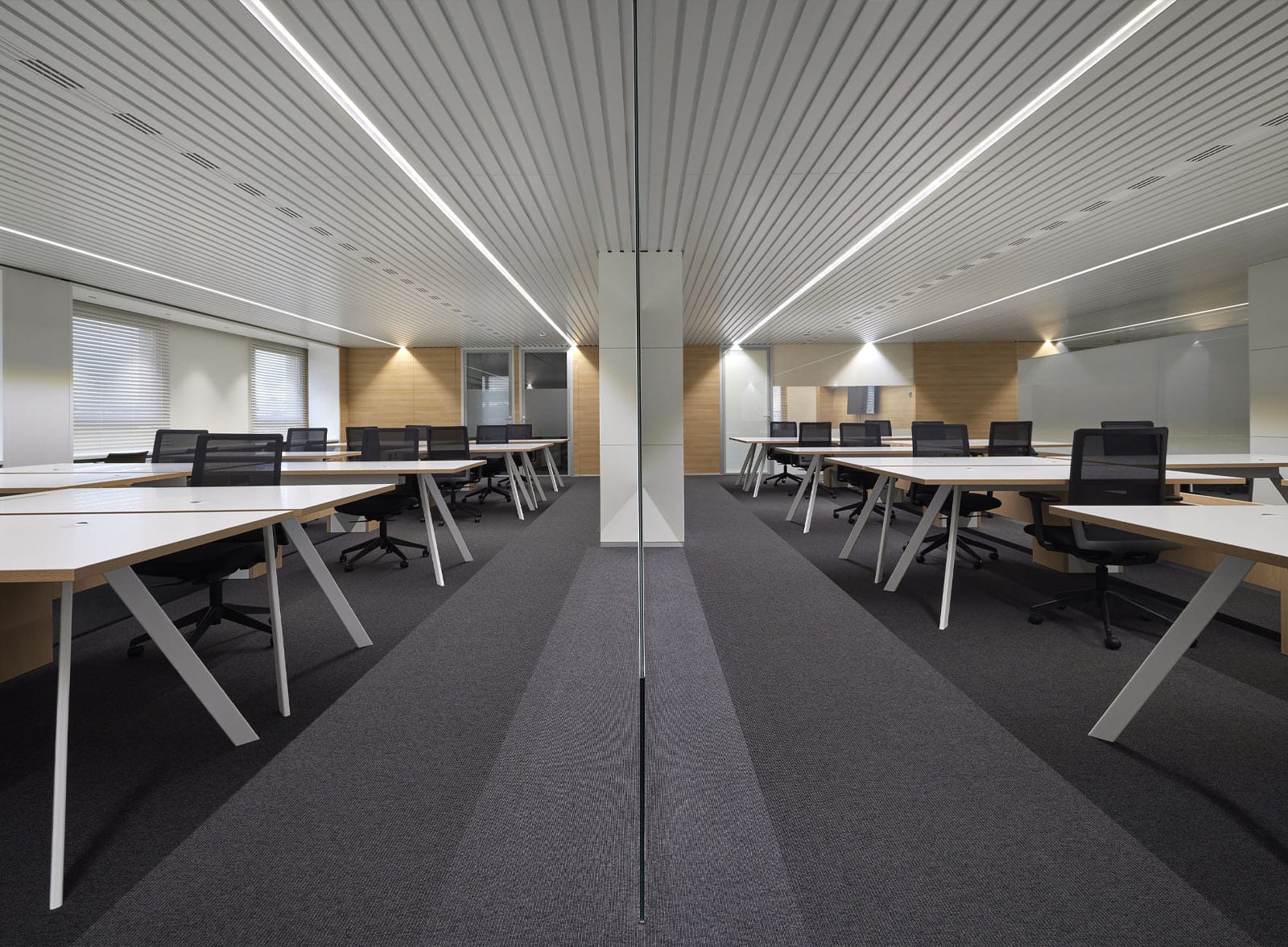
What types of wooden acoustic panels are available, how they absorb sound, what finishes they support, and for which projects it makes sense to choose each one.
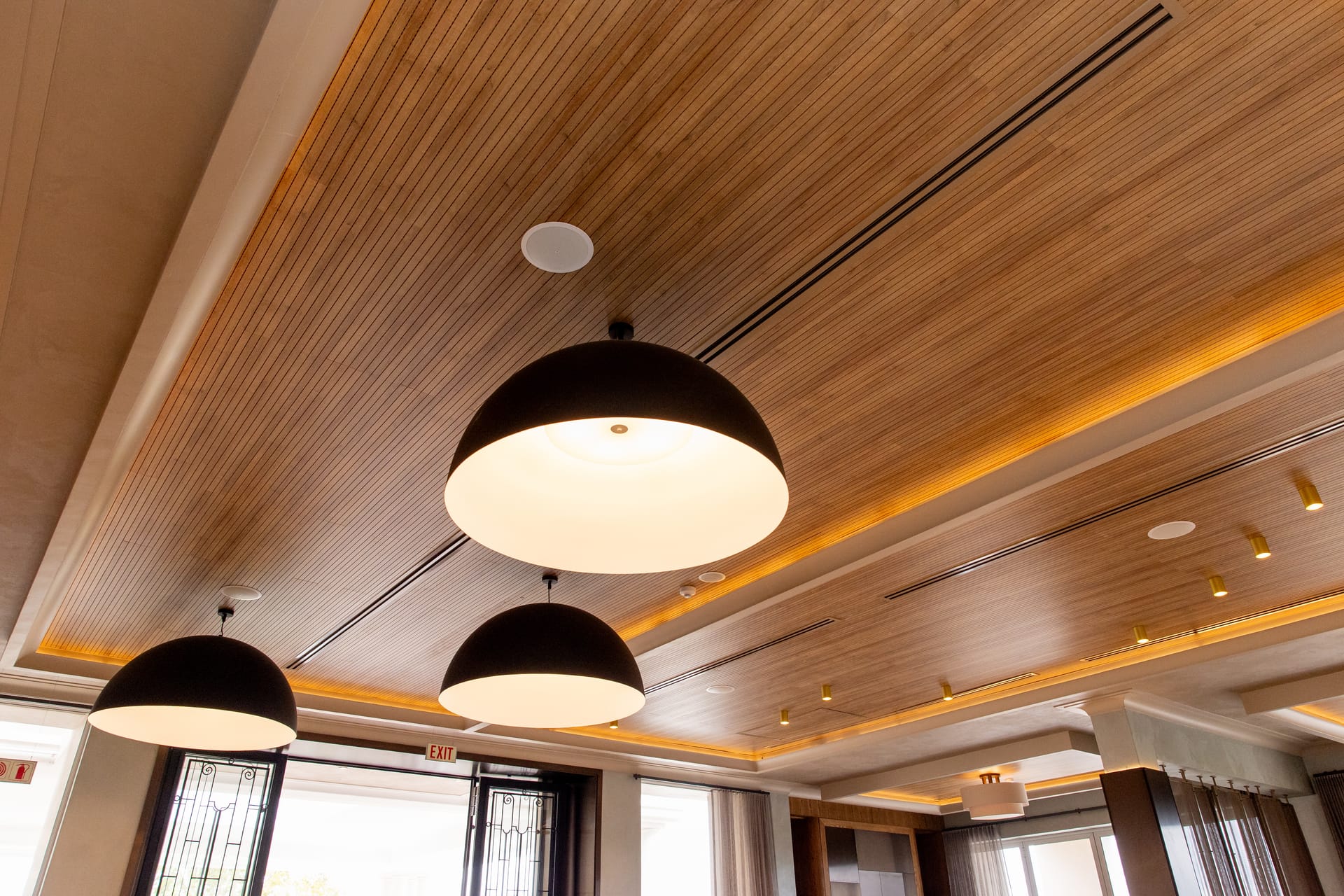
What a sound-absorbing panel is, how it differs from soundproofing panels, what materials are available, and how to choose one based on the space.
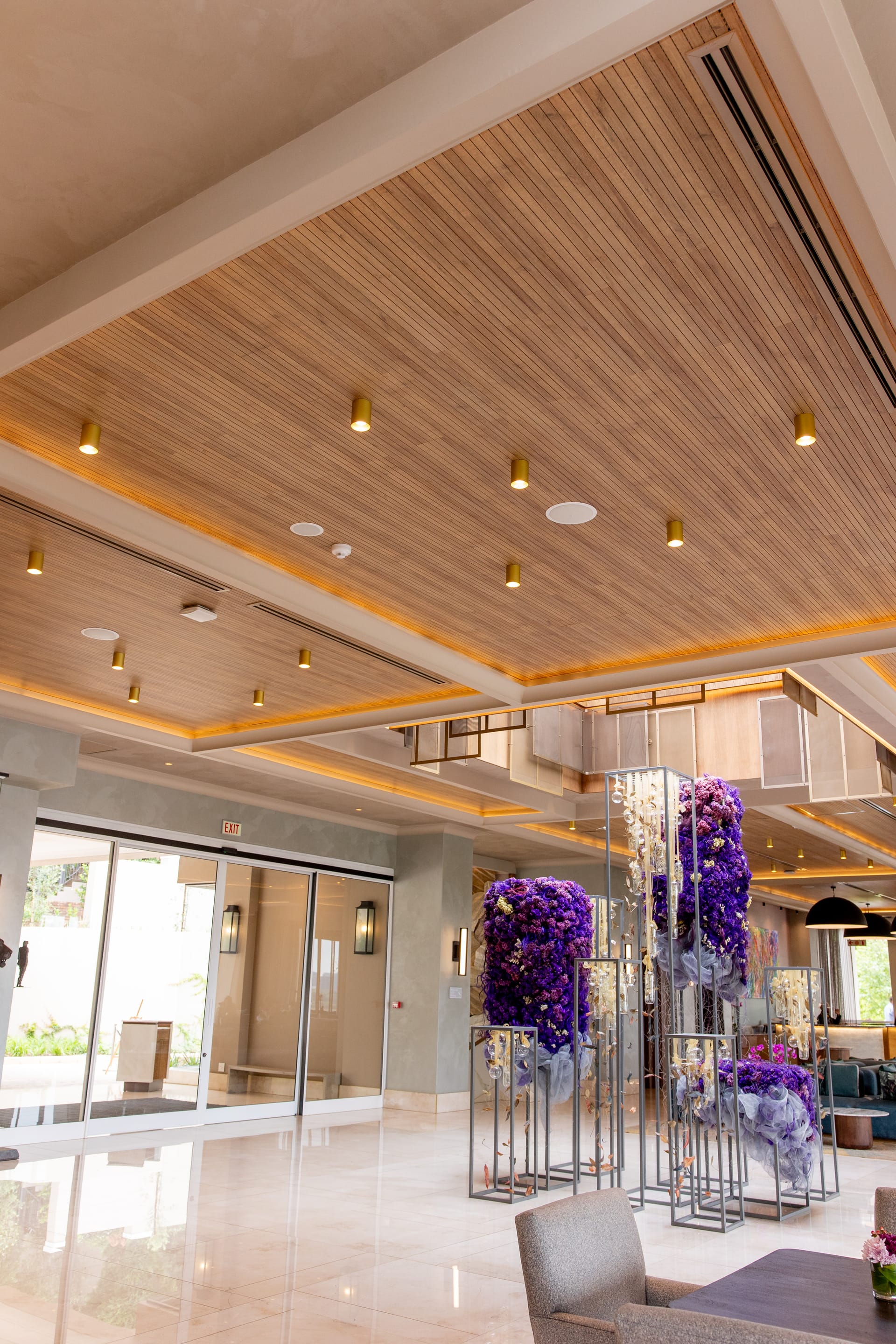
What an acoustic panel is, how it absorbs sound, the types available based on material, and the situations where installing them is worthwhile.
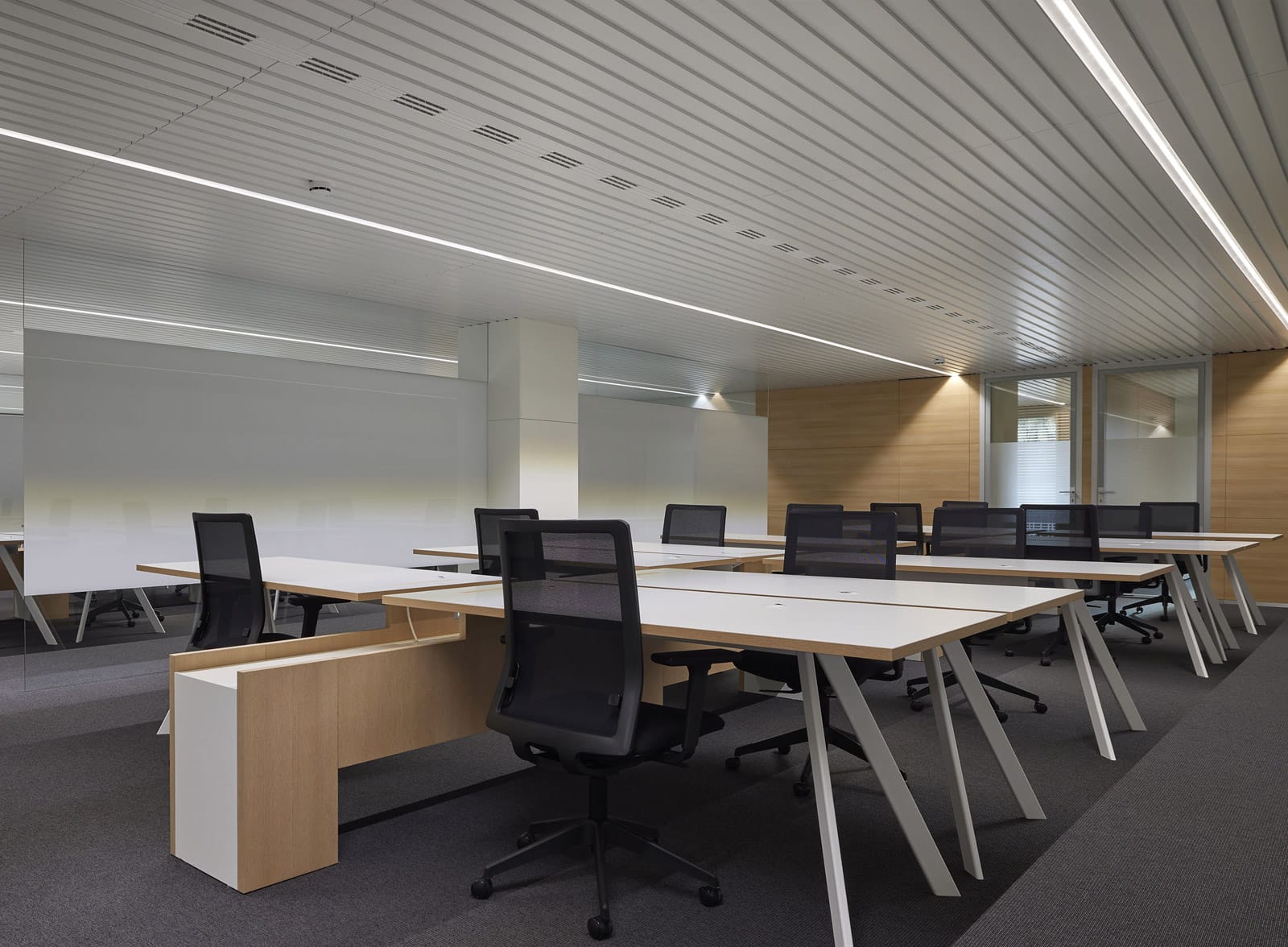
When it is advisable to treat the ceiling to improve a space's acoustics, what systems are available, and how they are coordinated with the building's other systems.
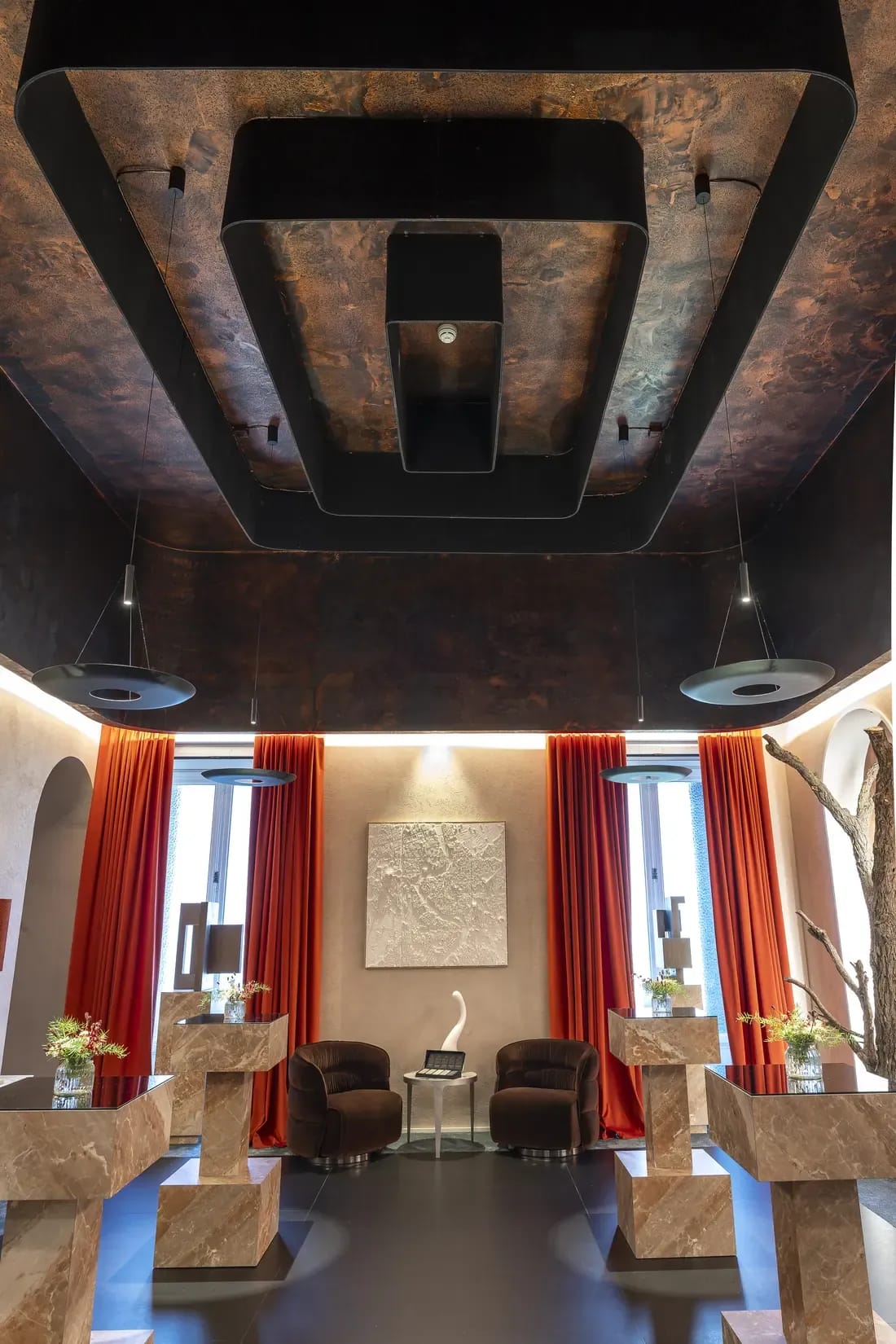
An open-plan office, a meeting room, a classroom, and a restaurant each have different acoustic problems that can't be solved in the same way. We'll review what each type of space needs and why.

Noise pollution doesn't always come from the street. Offices, restaurants, and classrooms generate their own noise, and the solution there isn't to reduce the source but to change how the sound behaves inside.
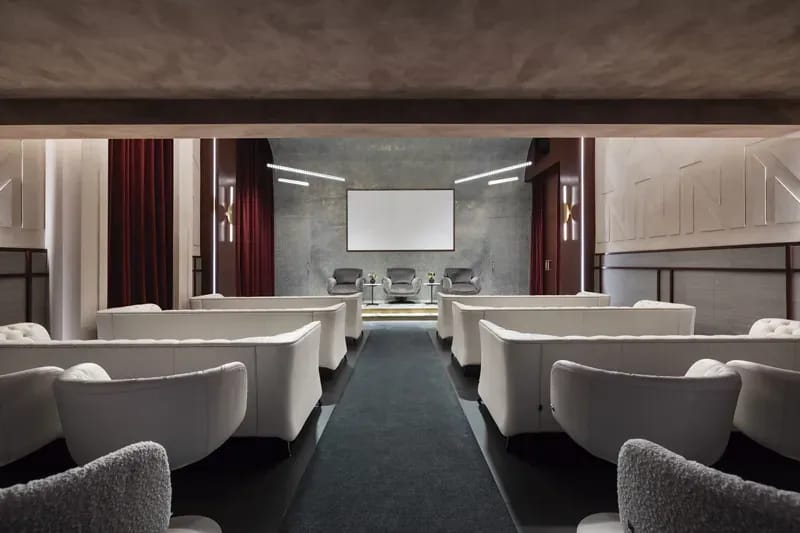
What determines whether speech is clearly understood in an auditorium: reverberation time, first reflections, and choice of materials. Design criteria and solutions applied in real-world projects.
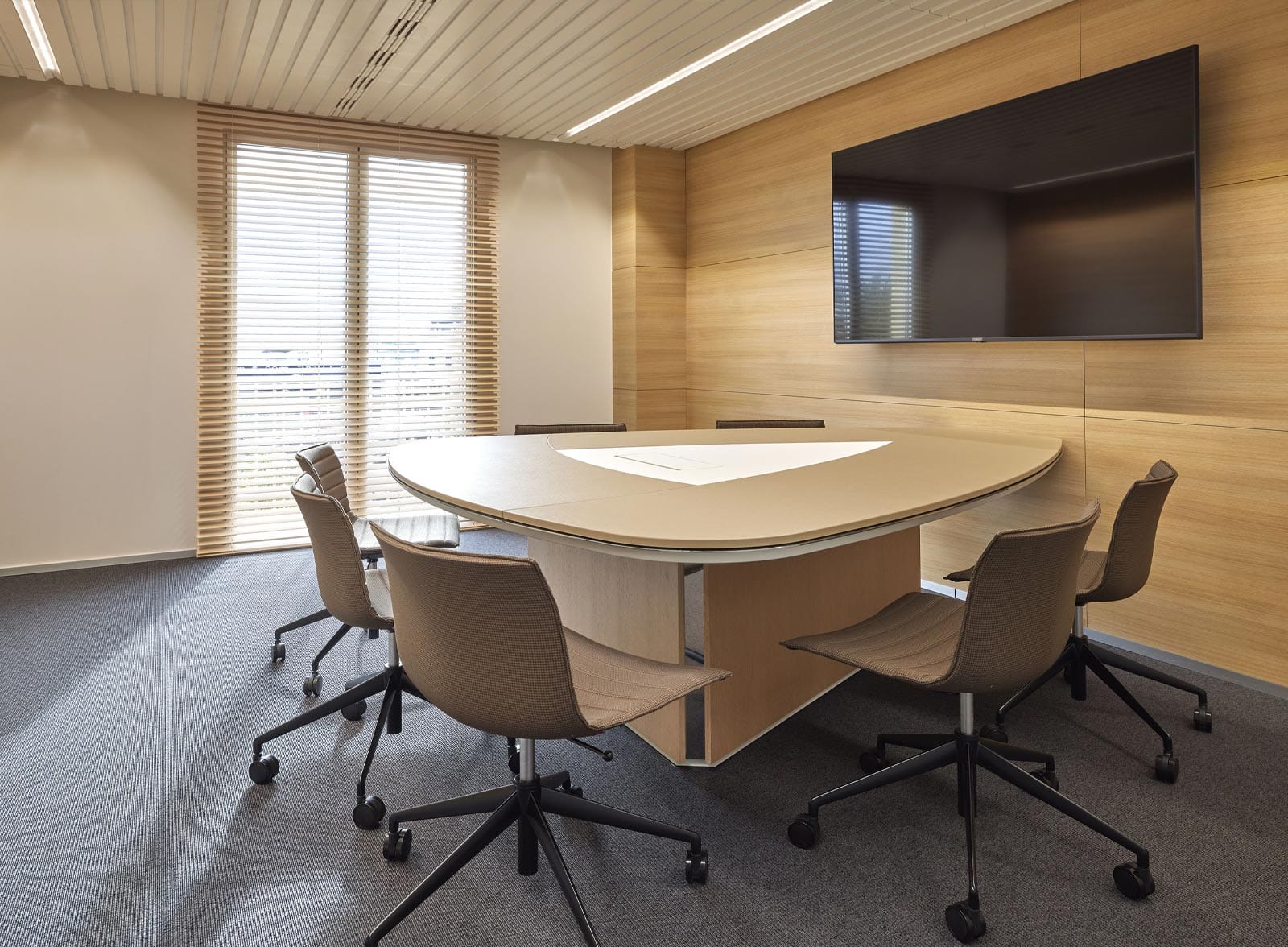
Learn the professional methodology for measuring noise in offices: what regulations apply, what instruments to use, and how to interpret the results.
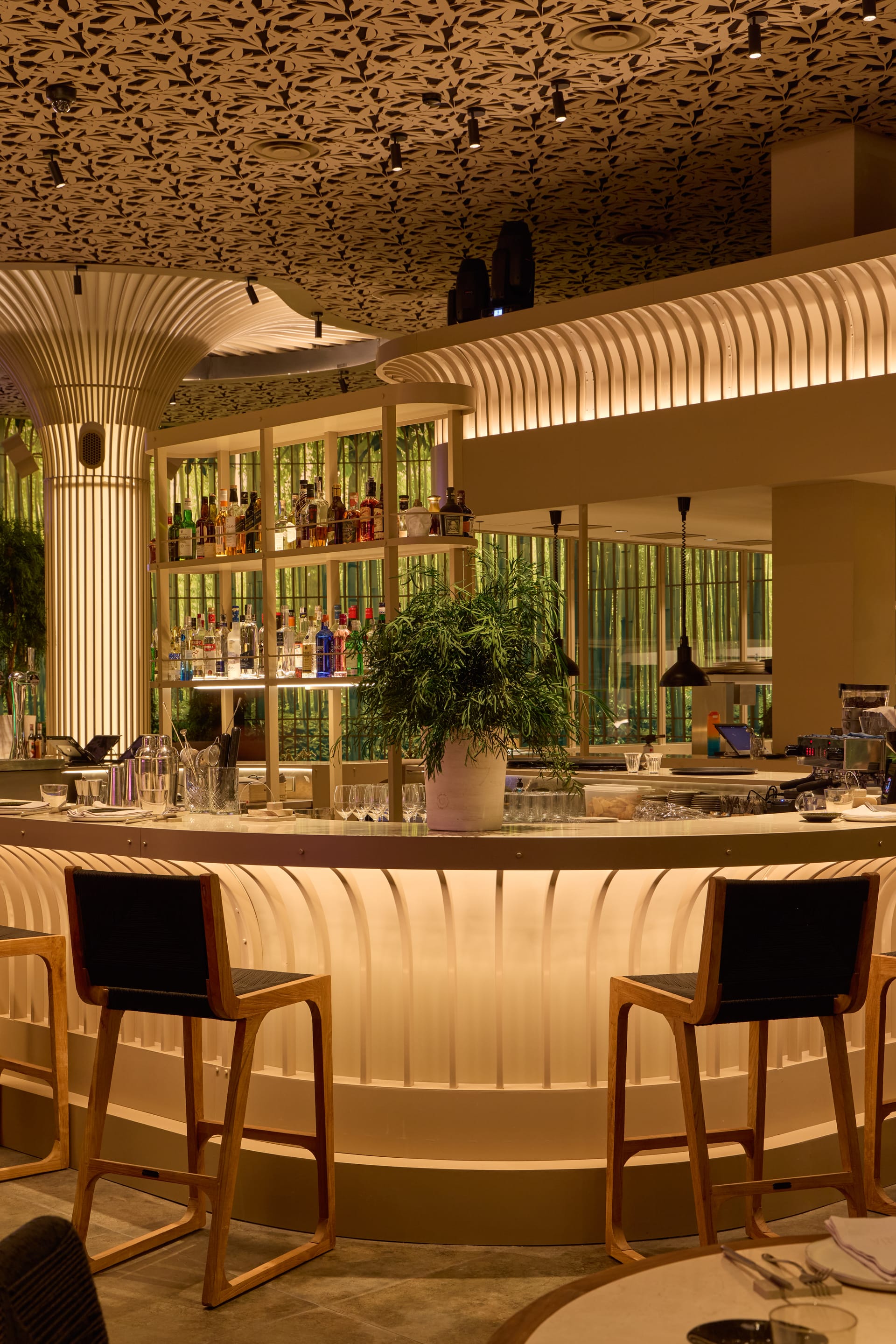
Excessive reverberation, background noise, or lack of acoustic privacy in your room? Learn how to diagnose the problem and choose the right acoustic treatment solution.
Decorating to improve acoustics: materials, textures, and solutions that work
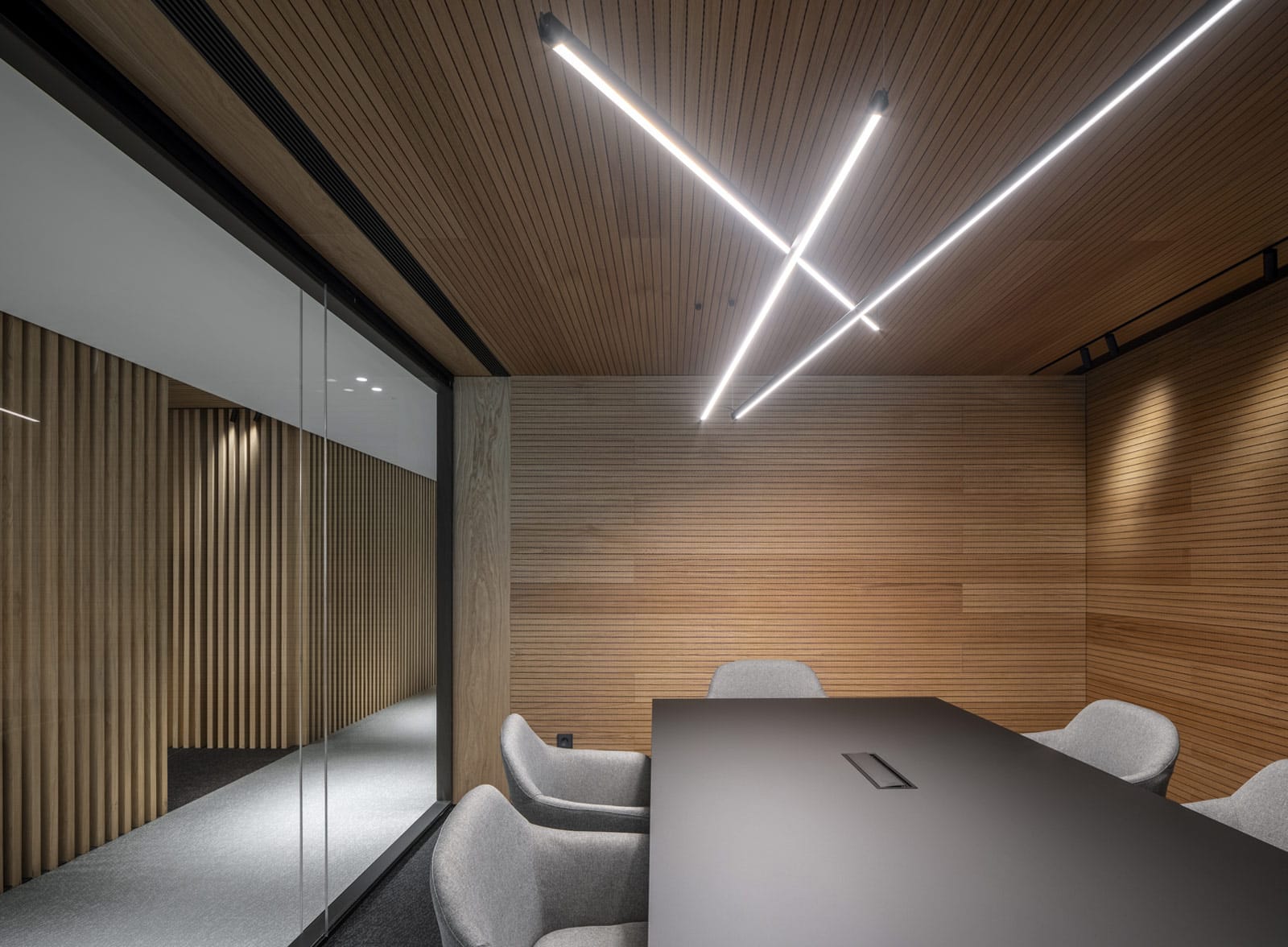
Echoes in meeting rooms make conversations and video conferences difficult. Learn about the causes and the most effective acoustic solutions.