

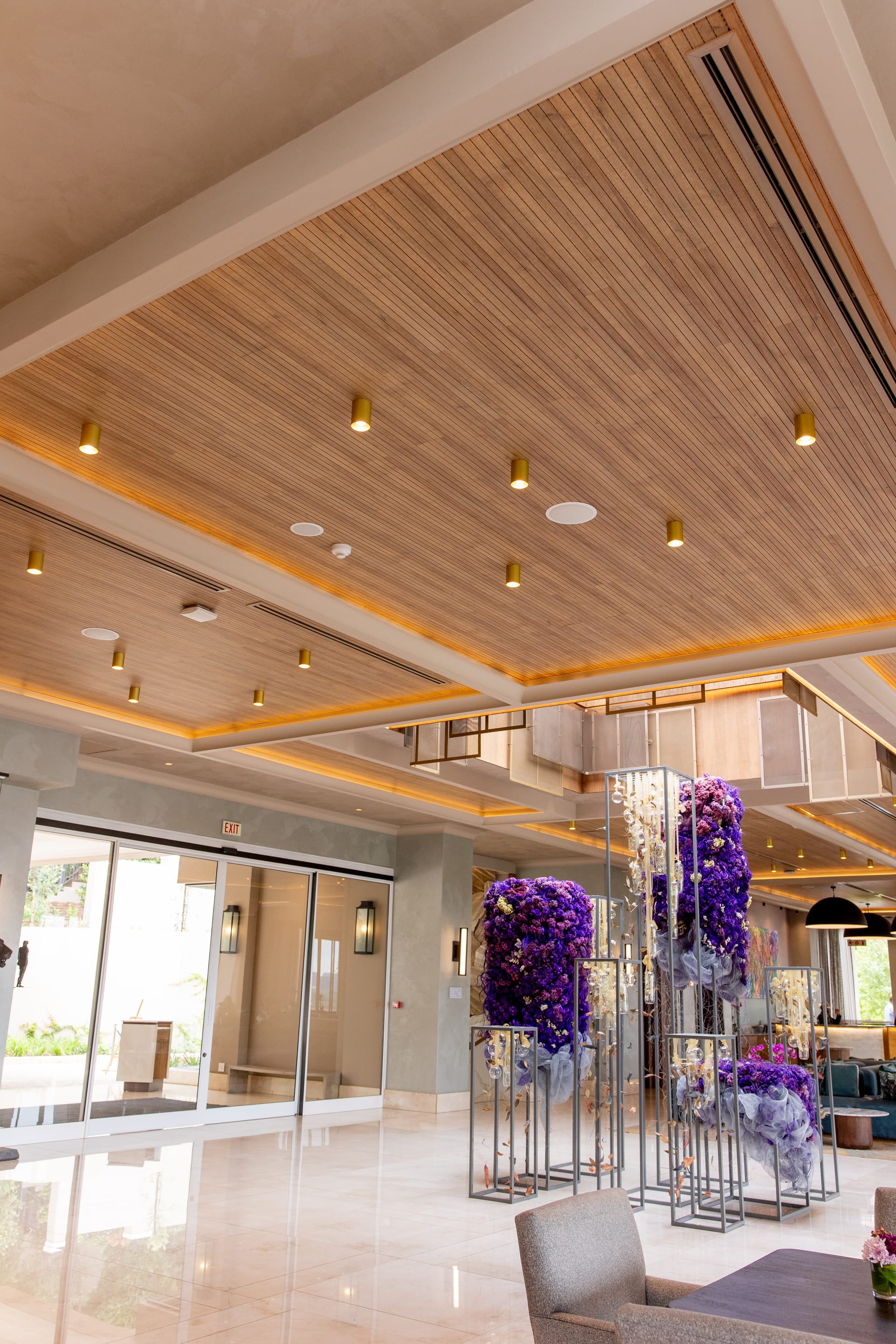
Acoustic panels: What they are, how they work, and when you need them
What an acoustic panel is, how it absorbs sound, the types available based on material, and the situations where installing them is worthwhile.
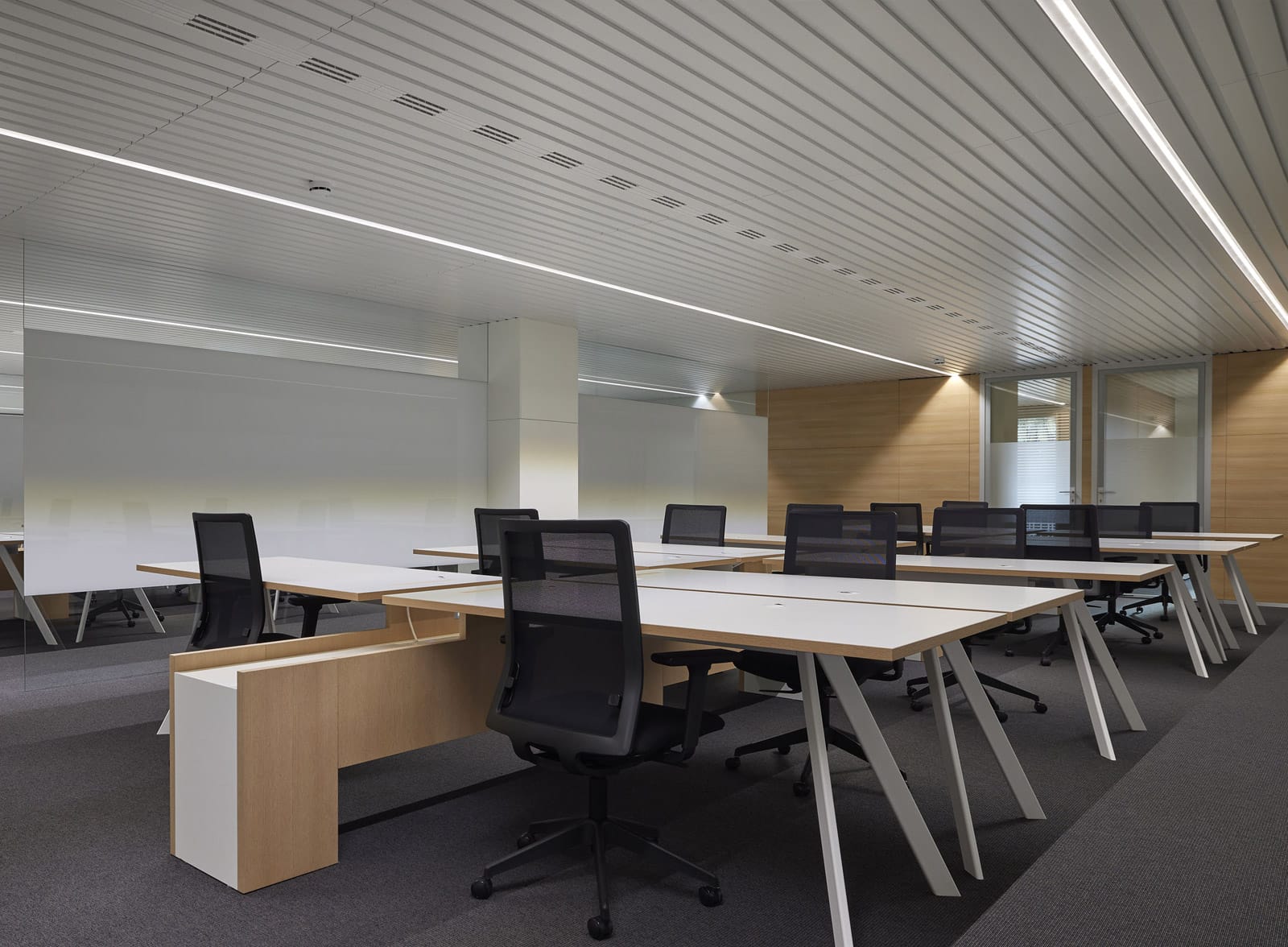
Ceiling acoustic treatment: When the ceiling is the best surface to treat
When it is advisable to treat the ceiling to improve a space's acoustics, what systems are available, and how they are coordinated with the building's other systems.
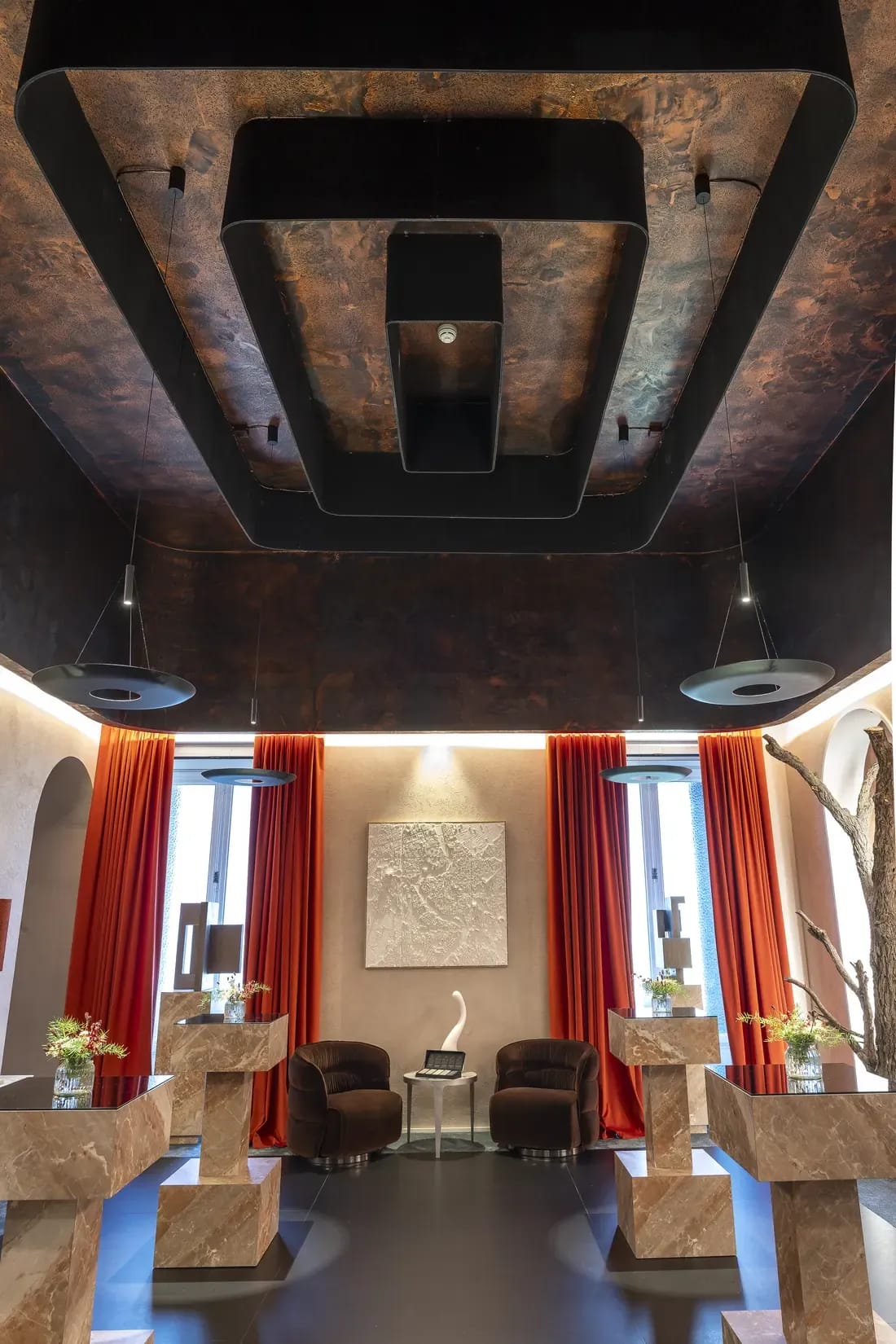
Acoustics in enclosed spaces: why a room sounds bad and how to fix it
An open-plan office, a meeting room, a classroom, and a restaurant each have different acoustic problems that can't be solved in the same way. We'll review what each type of space needs and why.

Solutions for noise pollution in work and leisure spaces
Noise pollution doesn't always come from the street. Offices, restaurants, and classrooms generate their own noise, and the solution there isn't to reduce the source but to change how the sound behaves inside.
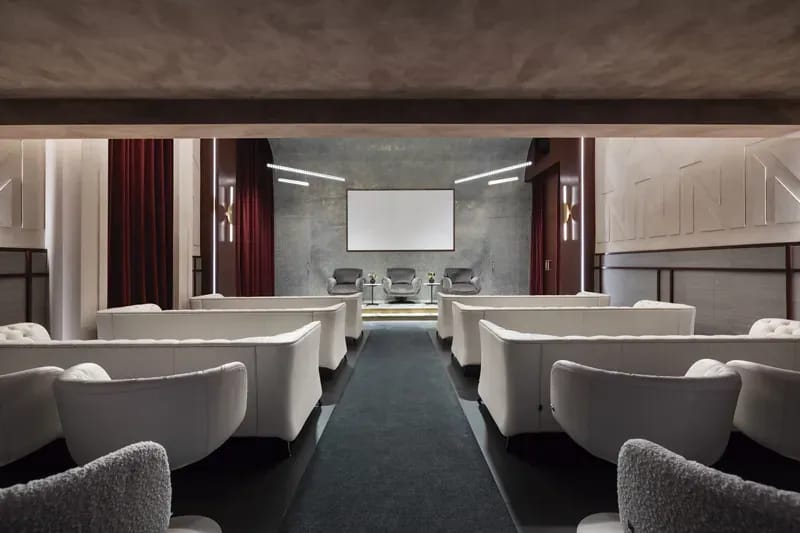
How to improve the acoustics of an auditorium: design criteria and applied solutions
What determines whether speech is clearly understood in an auditorium: reverberation time, first reflections, and choice of materials. Design criteria and solutions applied in real-world projects.
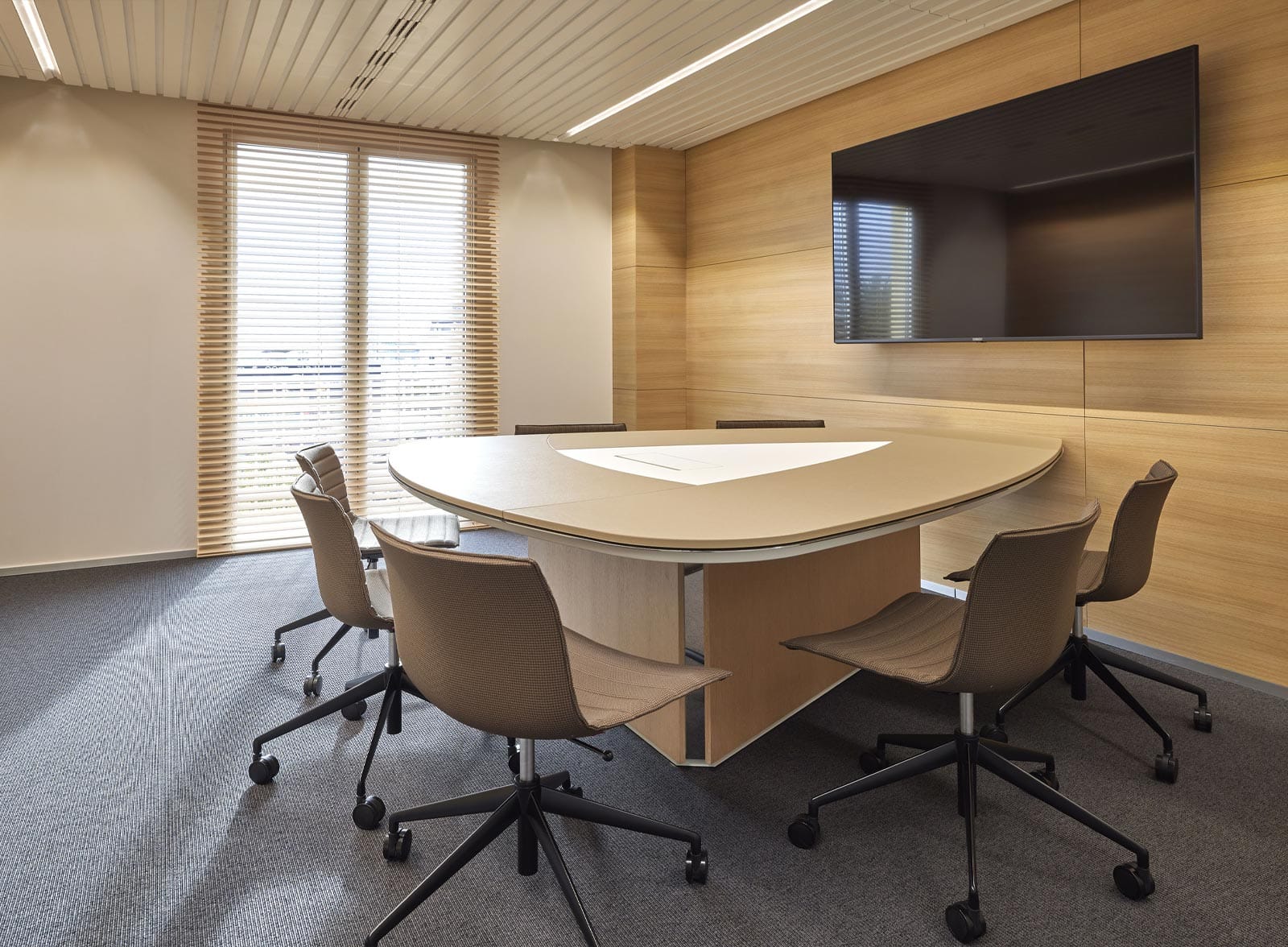
Methodology for measuring noise levels in offices: regulations, instruments and best practices
Learn the professional methodology for measuring noise in offices: what regulations apply, what instruments to use, and how to interpret the results.
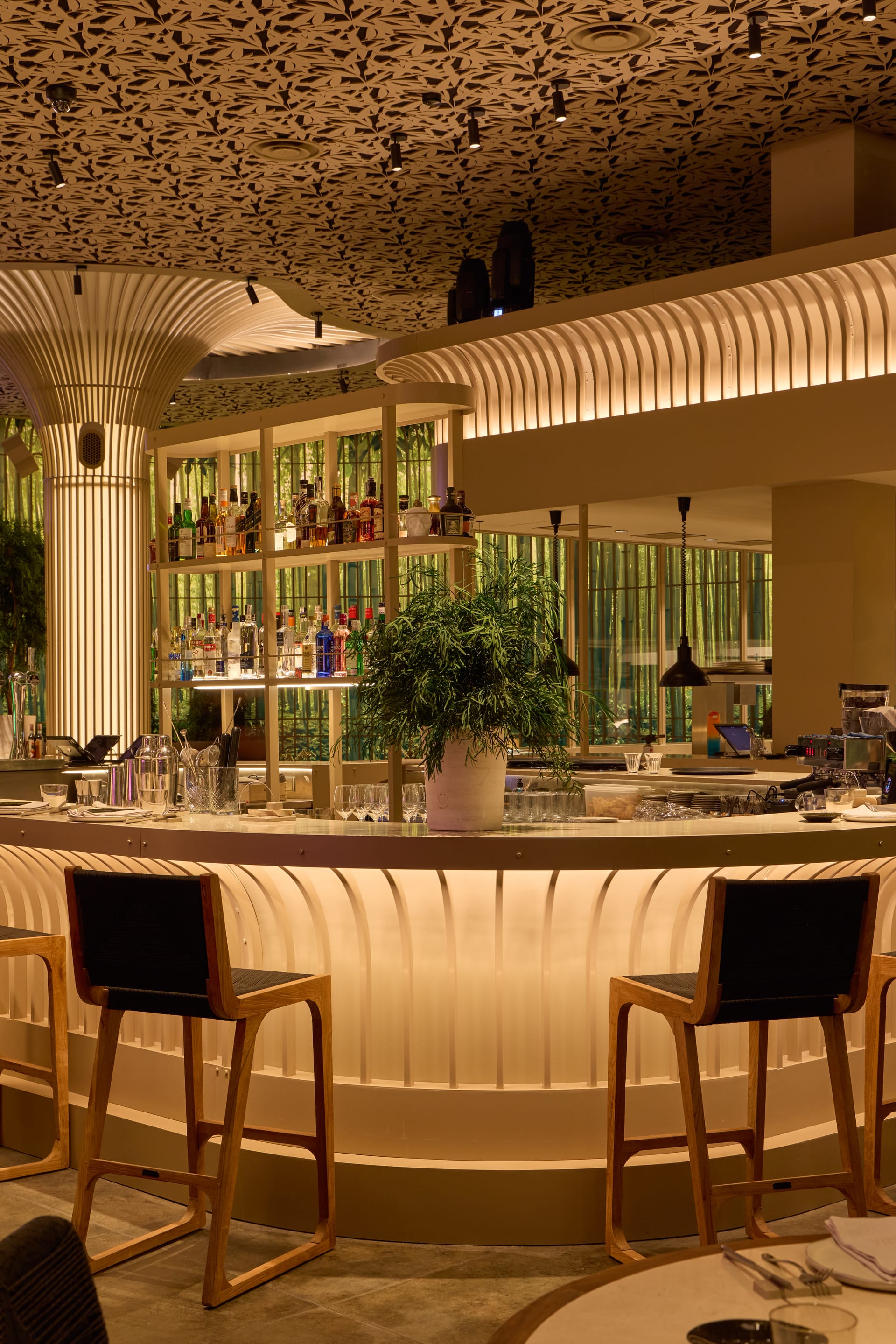
How to improve the acoustics of a room: diagnosis, solutions and real cases
Excessive reverberation, background noise, or lack of acoustic privacy in your room? Learn how to diagnose the problem and choose the right acoustic treatment solution.
Decorating to improve acoustics: materials, textures, and solutions that work
Decorating to improve acoustics: materials, textures, and solutions that work
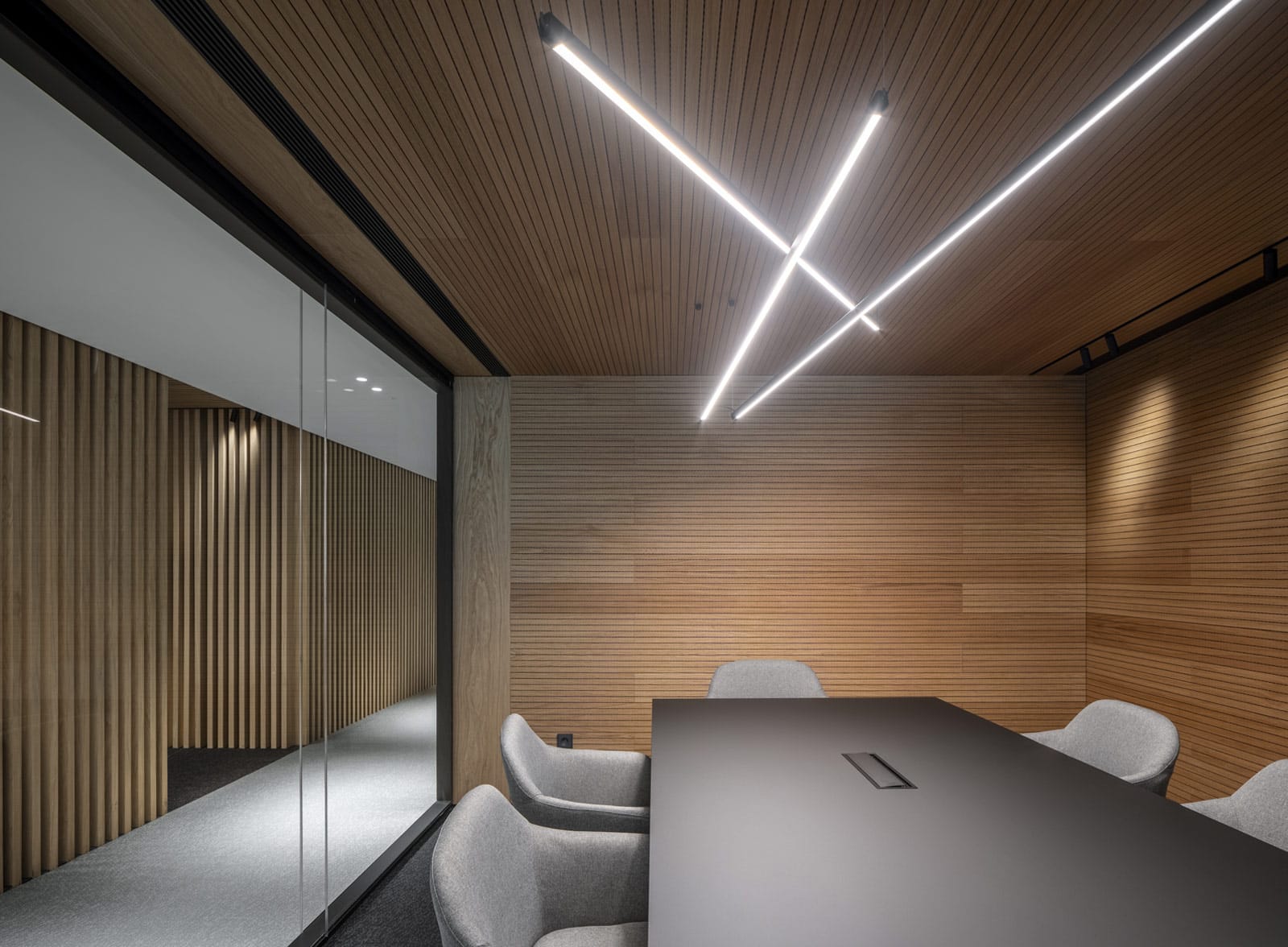
Acoustic Meeting Rooms: Panels, Ceilings and Tips to Cut Echo
Echoes in meeting rooms make conversations and video conferences difficult. Learn about the causes and the most effective acoustic solutions.
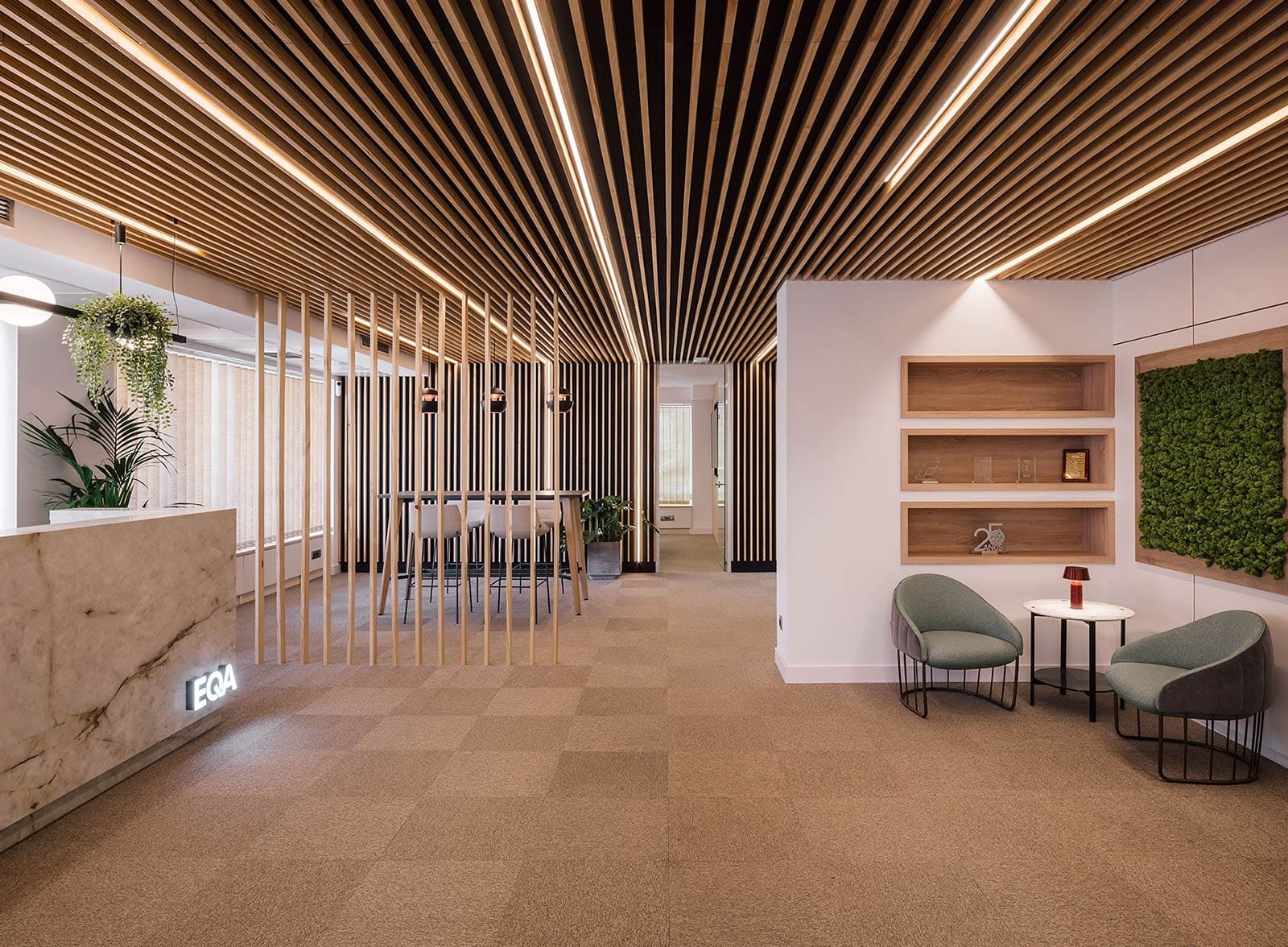
Acoustic Solutions for Offices. Reduce Noise, Improve Focus
Noise in open-plan offices affects concentration, stress, and performance. Discover how acoustic conditioning can improve productivity and comfort in your workspace.
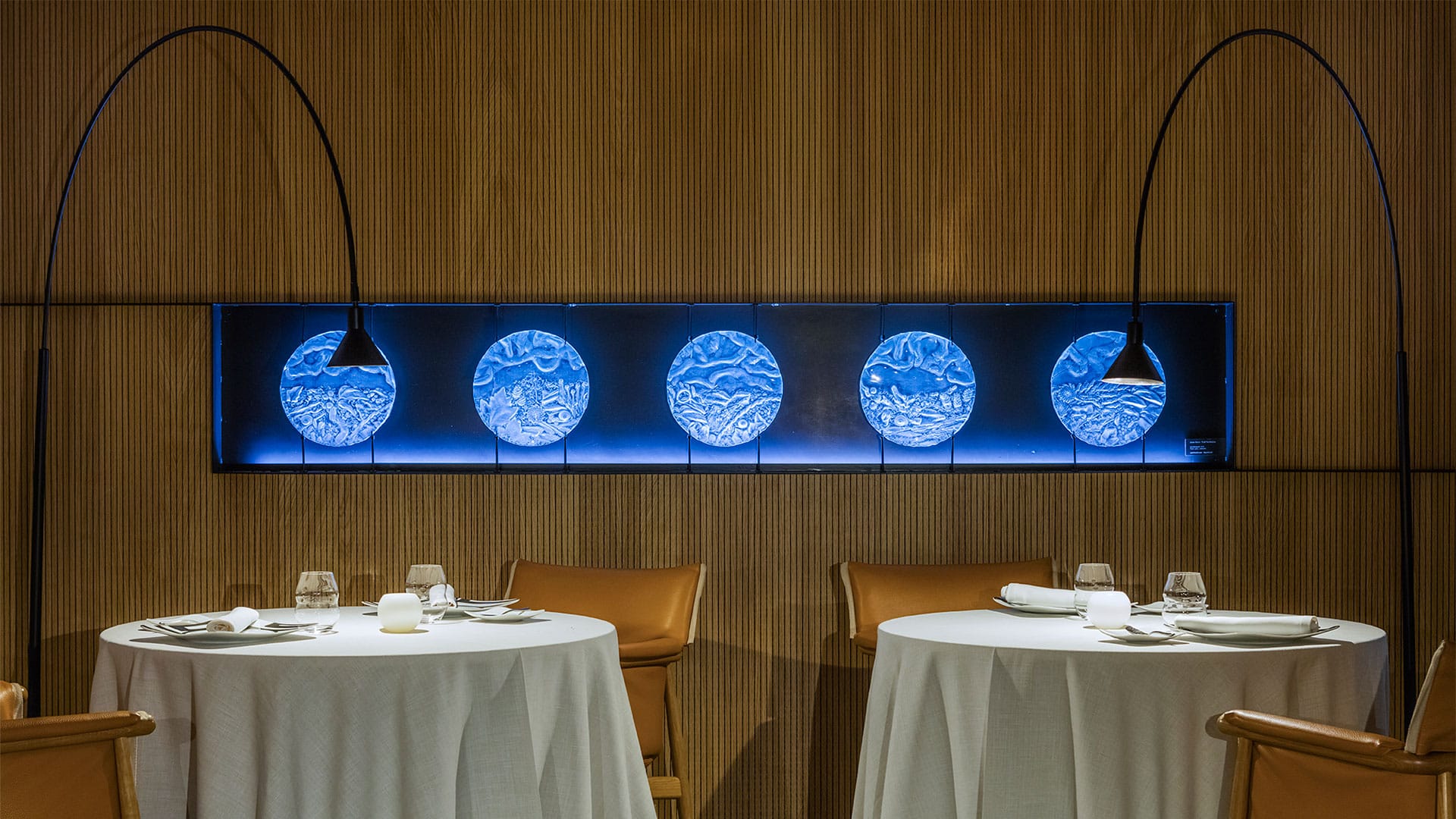
Restaurant Acoustics: How to Create a Comfortable Dining Experience
Excessive noise in restaurants negatively impacts customer experience and business profitability. Discover the most effective acoustic conditioning solutions for the hospitality industry.
Ideatec at Casa Decor 2026: when sound shapes space
Casa Decor 2026 has once again confirmed its position as the most demanding showcase for interior design in Spain. In this edition, Ideatec has been present in four standout spaces, conceived by some of the most relevant studios and brands on the national and international scene.