Discover how architectural design combines creativity, technical expertise and sustainability, transforming spaces into unique living experiences.
Architectural design has become increasingly important to our quality of life and the built environment. It is a fundamental discipline that shapes the spaces in which we live, work and thrive. Understanding its value is essential, as every structure is the result of a thoughtful process that seeks to harmonise aesthetics, functionality and sustainability.
Here we will look at what this discipline, which shapes our buildings and cities, entails. And how it integrates technical and aesthetic aspects to create liveable and functional environments.
We will also explore the stages of architectural design, from initial conceptualisation through to the drafting of plans and the supervision of construction, highlighting the importance of creativity, innovation and sustainability throughout all these phases.
Understanding architectural design
Architectural design is the process by which architects interpret and process their clients’ needs. Based on functional principles, general structural criteria and regulations, they develop an aesthetic proposal that can be built (Olivares, 2022).
What is architectural design and what does it encompass?
Architectural design combines aesthetics, function and technique to transform ideas into habitable spaces. It ranges from general planning to construction and aesthetic detail, adapting to the context and the user’s needs. This concept of architecture includes both the foundation and the development of the project, enabling the creation of buildings or structures.
Integration of aesthetics, function and technique in architecture
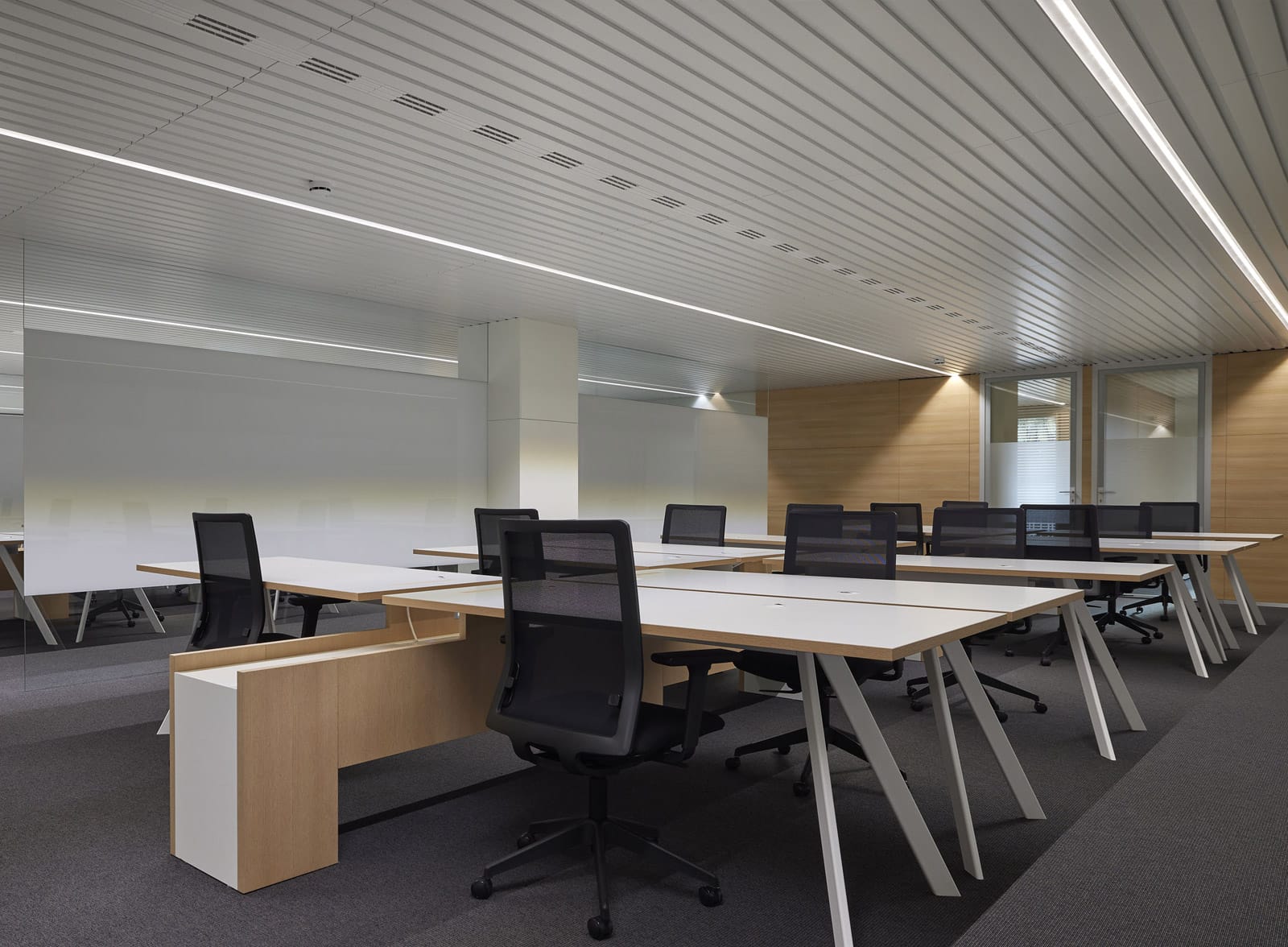
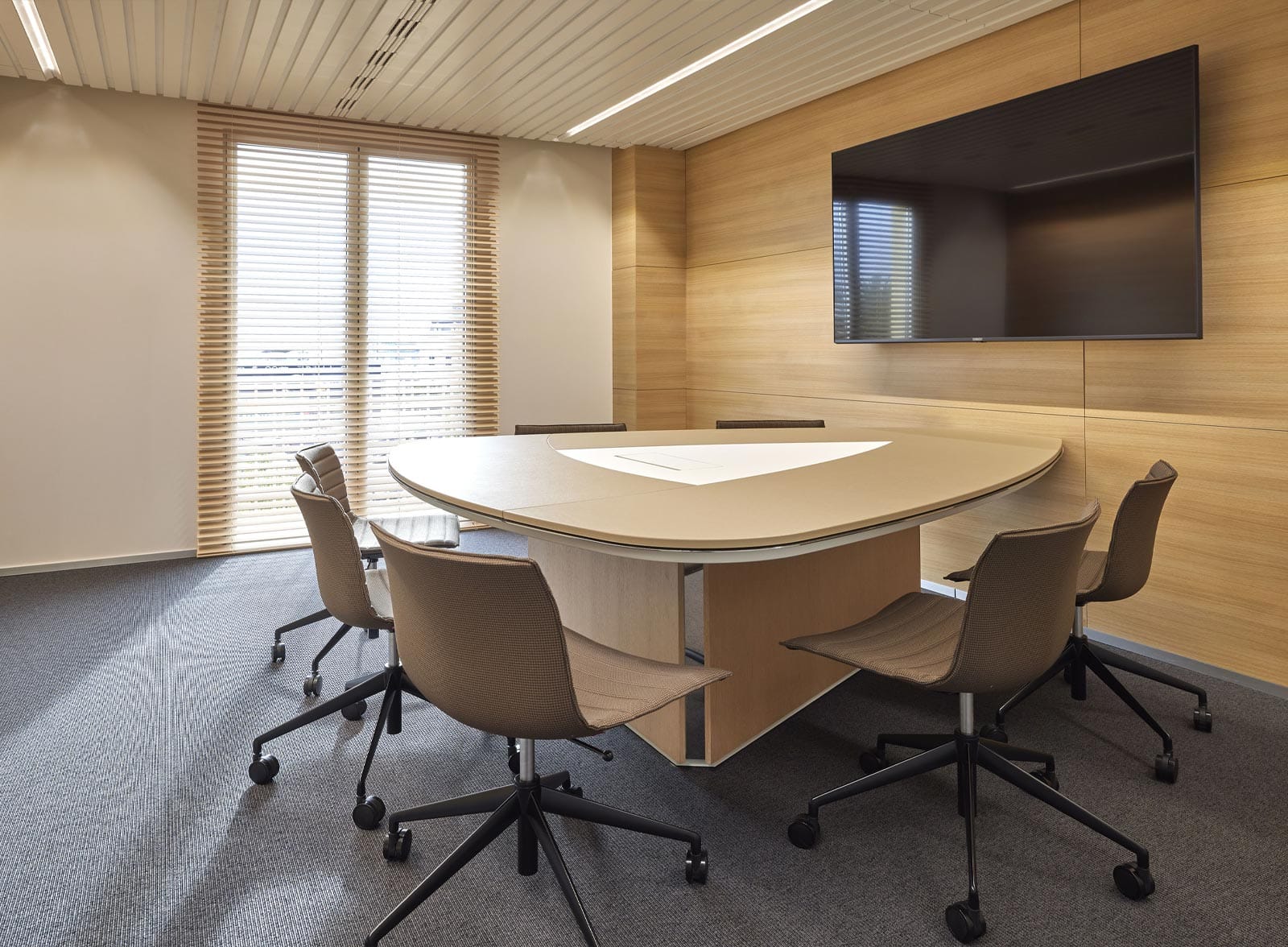
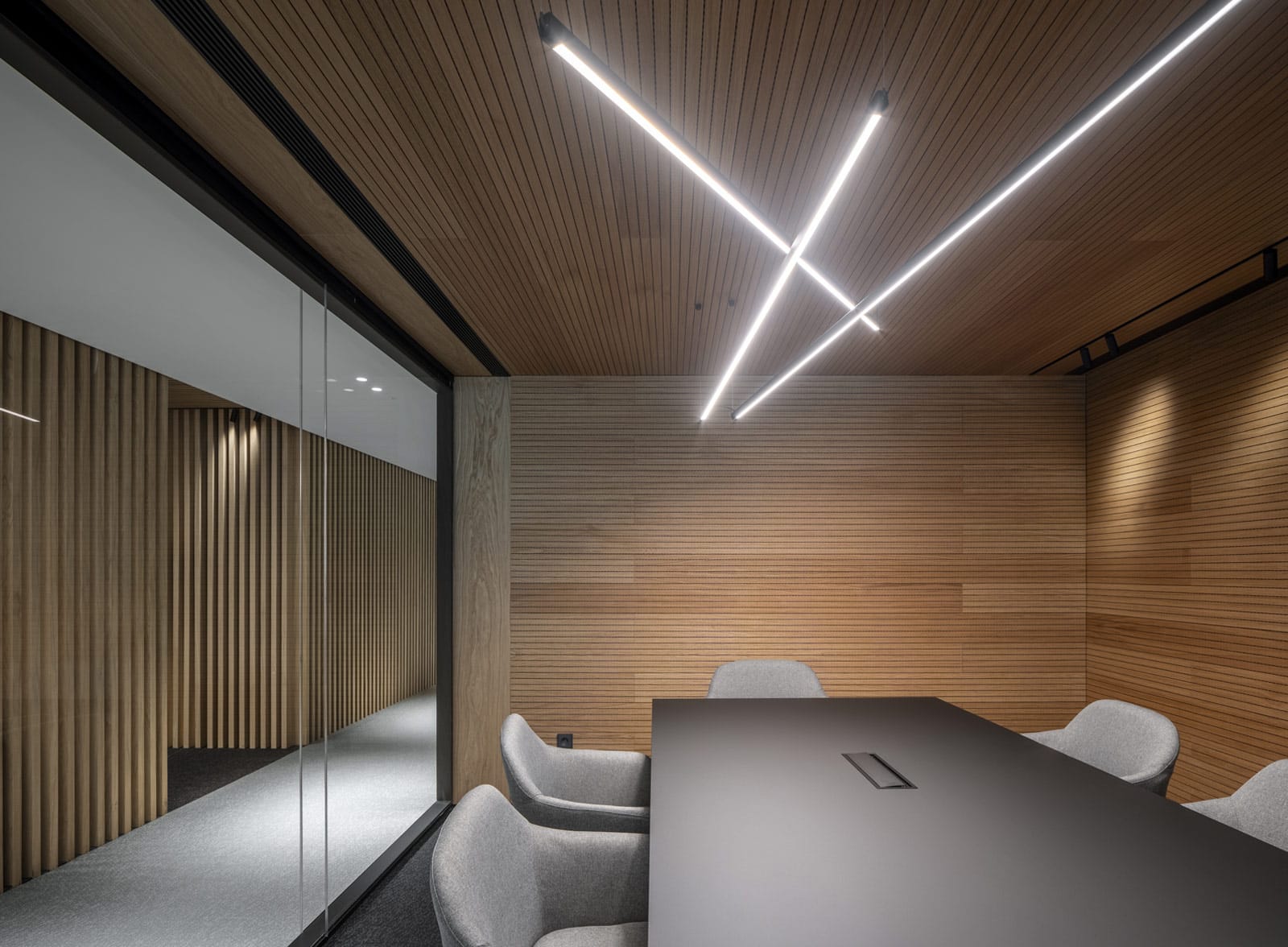
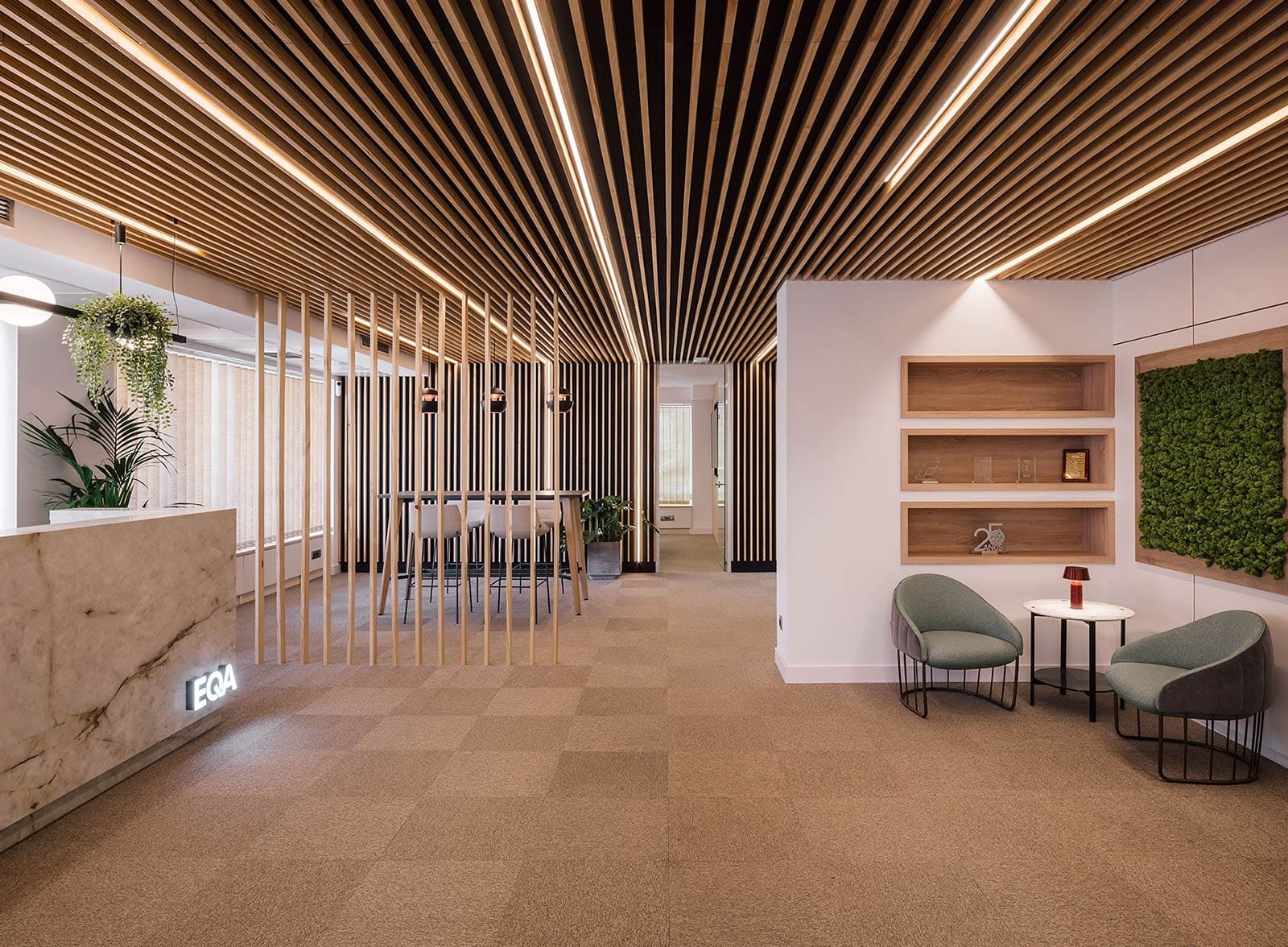
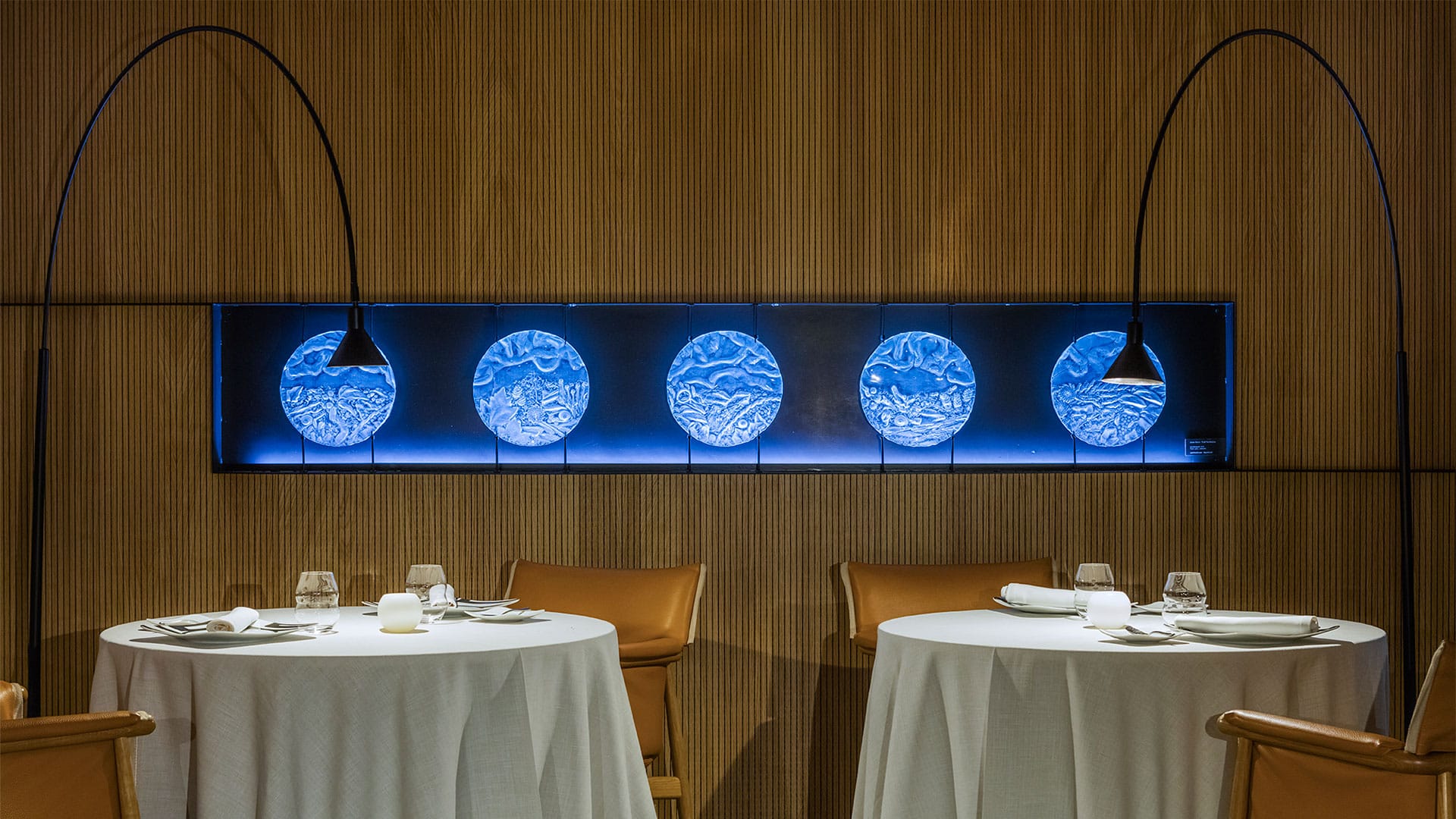
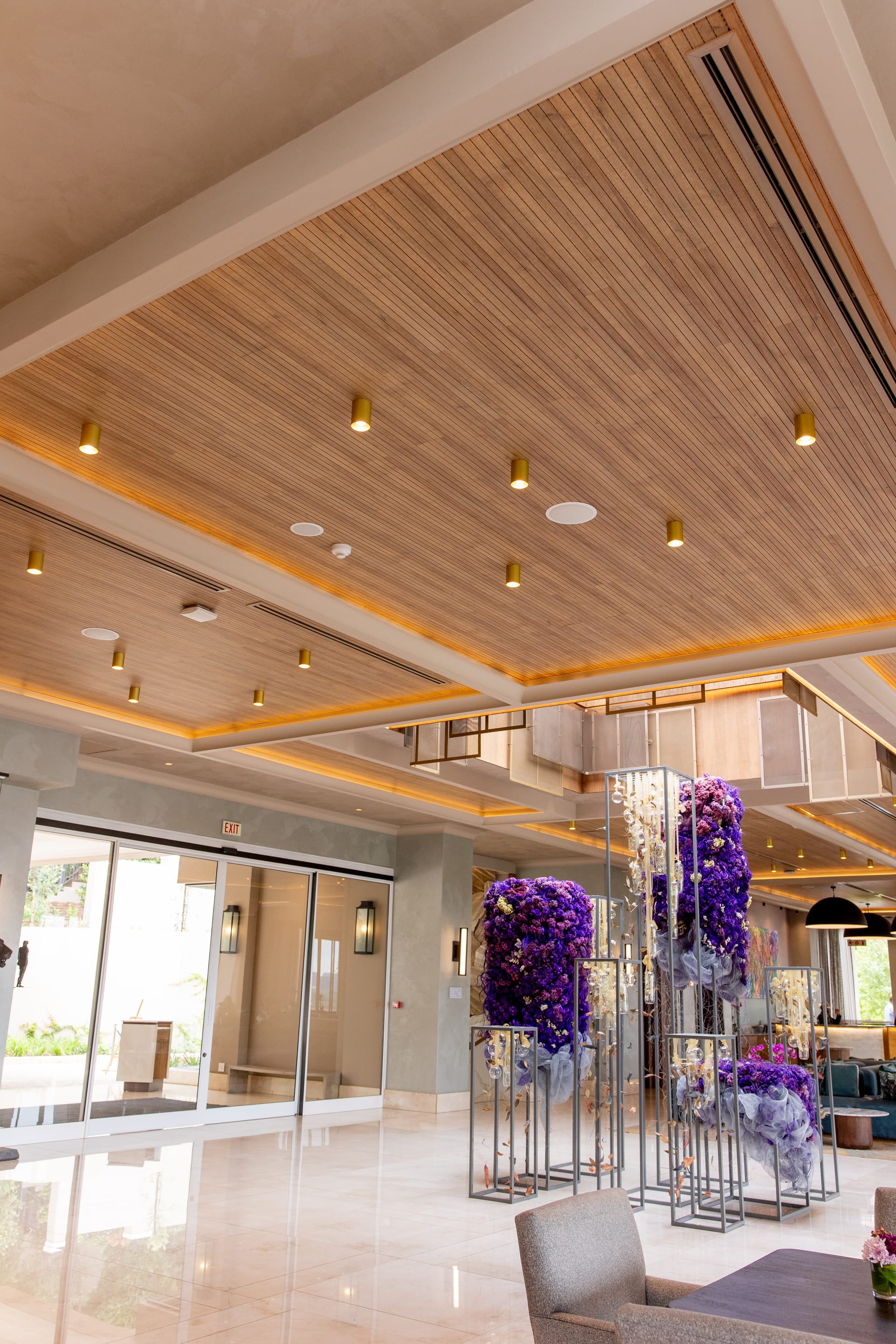
A successful architectural design balances form and functionality with appropriate technical resources. For example, wooden panels or sustainable finishes which, when applied to interior designs, provide both aesthetic appeal and efficiency.
The architectural design process
During the architectural design process, factors such as organisation, creativity, economic viability, construction and the physical environment of the site are typically taken into account (Olivares, 2022)
Conceptualisation and development of ideas
During the preliminary design phase, the architect establishes the basic guidelines for the building’s design with the client. They investigate the site where the building will be constructed, any potential restrictions, cost estimates and the terms of the contract.
They then produce the schematic design: sketches with various construction options to present to the client. This allows the client to choose the architectural design option that best suits their needs and, based on this, request modifications.
At this stage, the architect also agrees with the client on the budget available for the project, the estimated costs of each option and the permits that will be required.
Preparation of plans and technical documentation
During the design development stage, details discussed during the conceptualisation phase are refined. The accuracy of the initial cost estimates is also verified.
The corrections made are presented and the materials to be used are defined. To this end, the architect produces more detailed drawings, using software such as AutoCAD, to make it easier for the client to visualise the concept. The design defined at this stage includes: floor plans, elevations, overall dimensions, additional sections and details.
Next, the construction documents are prepared, which must be submitted to the contractors so that they can tender for and approve them.
Here, the final agreement is reached between the architect and the client regarding the design of the proposal, which is presented through drawings and plans of the entire building, as well as the interior design plans and all the details. In this way, the contractors can establish and quote the exact price for the project.
Once the documentation is complete, building permits are obtained. The time taken to grant these varies depending on the location of the works.
The final stage is the project management phase. During this phase, architects and contractors ensure that the works progress appropriately and within the established costs and parameters (Olivares, 2022).
Sustainability and innovation in architectural design
As we mentioned earlier, passive strategies, energy efficiency and smart materials are incorporated throughout the process to promote environmentally responsible buildings.
An important fact: the construction and use of buildings account for almost 40% of CO₂ emissions and 35% of global energy consumption. One of the key approaches to reducing environmental impact is sustainable construction, which utilises renewable methods and materials. These are sustainable buildings: featuring natural lighting, proper thermal regulation, good air quality, accessibility… All of this makes them more cost-effective, efficient and durable (BBVA, 2025).
Furthermore, the transport of these materials must ensure the responsible use of energy. To reduce the environmental footprint, technological innovations enabling modular construction or 3D printing are of great importance, as they reduce construction times and the use of machinery.
The Importance of Acoustics
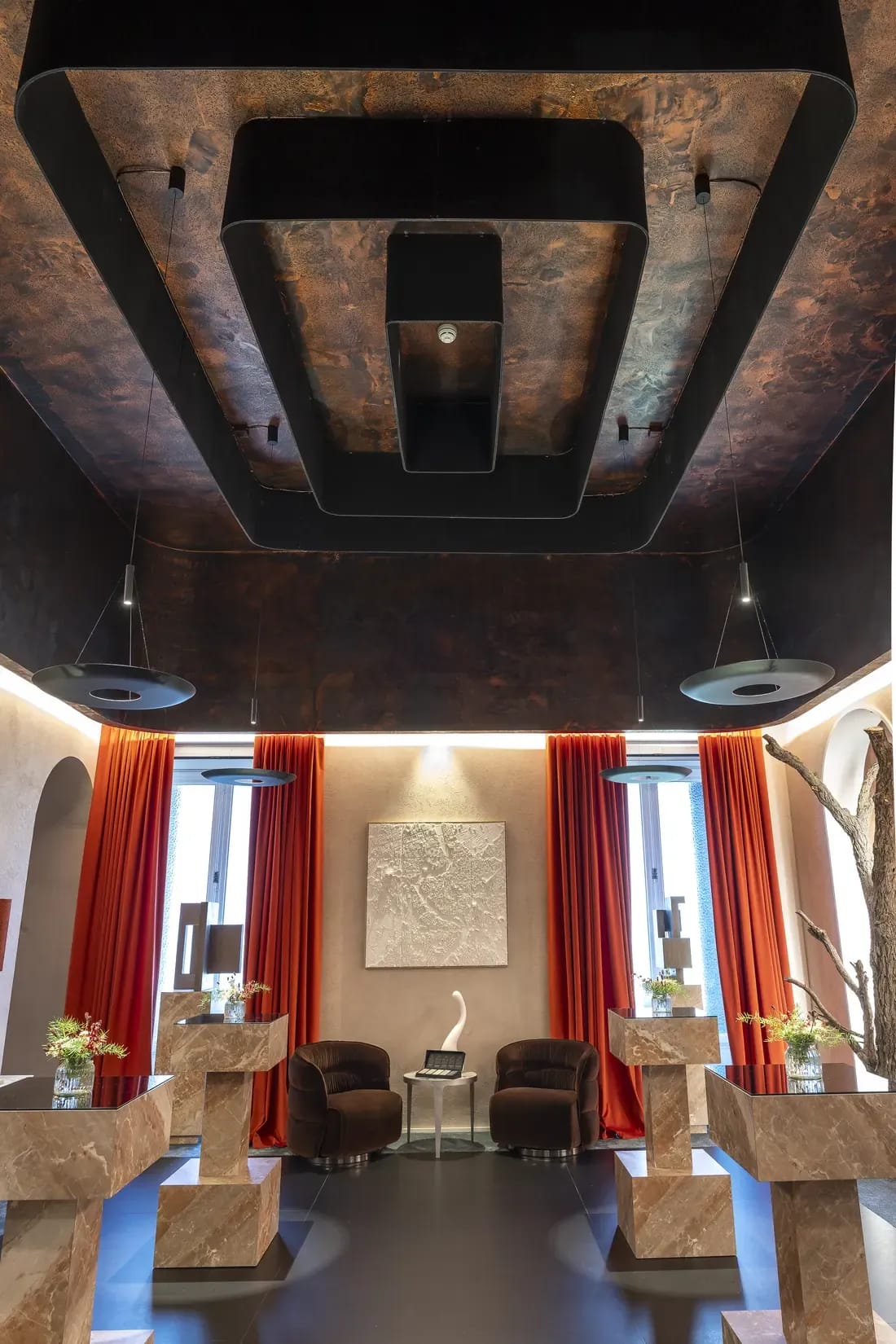
In modern architecture, acoustic control has evolved from a problem to be solved into a central element of design. The interaction between sound waves and structures can significantly affect comfort in any space. For this reason, the incorporation of sound-absorbing materials, acoustic barriers, diffusers and a spatial layout that optimises sound propagation is planned from the outset.
Acoustics is no longer an unforeseen expense but a specific budget item. Acoustic design is included in the budget from the outset, aligning with certifications such as LEED or WELL and reflecting its direct impact on the health, well-being and productivity of users.
It also enhances the experience and adds aesthetic and strategic value to the building, raising its standing in terms of quality and sustainability standards. At Ideatec, we provide acoustic solutions that combine design, innovation and sustainability. Explore our range of products to transform your spaces.
Bibliography
BBVA. (2025). Sustainable construction: how innovation is redefining the future of the sector.
Fierro-Newton, P. (2024). How ceiling height influences creativity and concentration.
Macústica. (2023). The importance of acoustic control in modern architecture
Olivares Revolledo, A. (2022). What is architectural design? Discover how buildings come into being.
Tabiexpert. (n.d.) The role of acoustic design in modern architecture
European University – UE. (2022). What does an architect do?