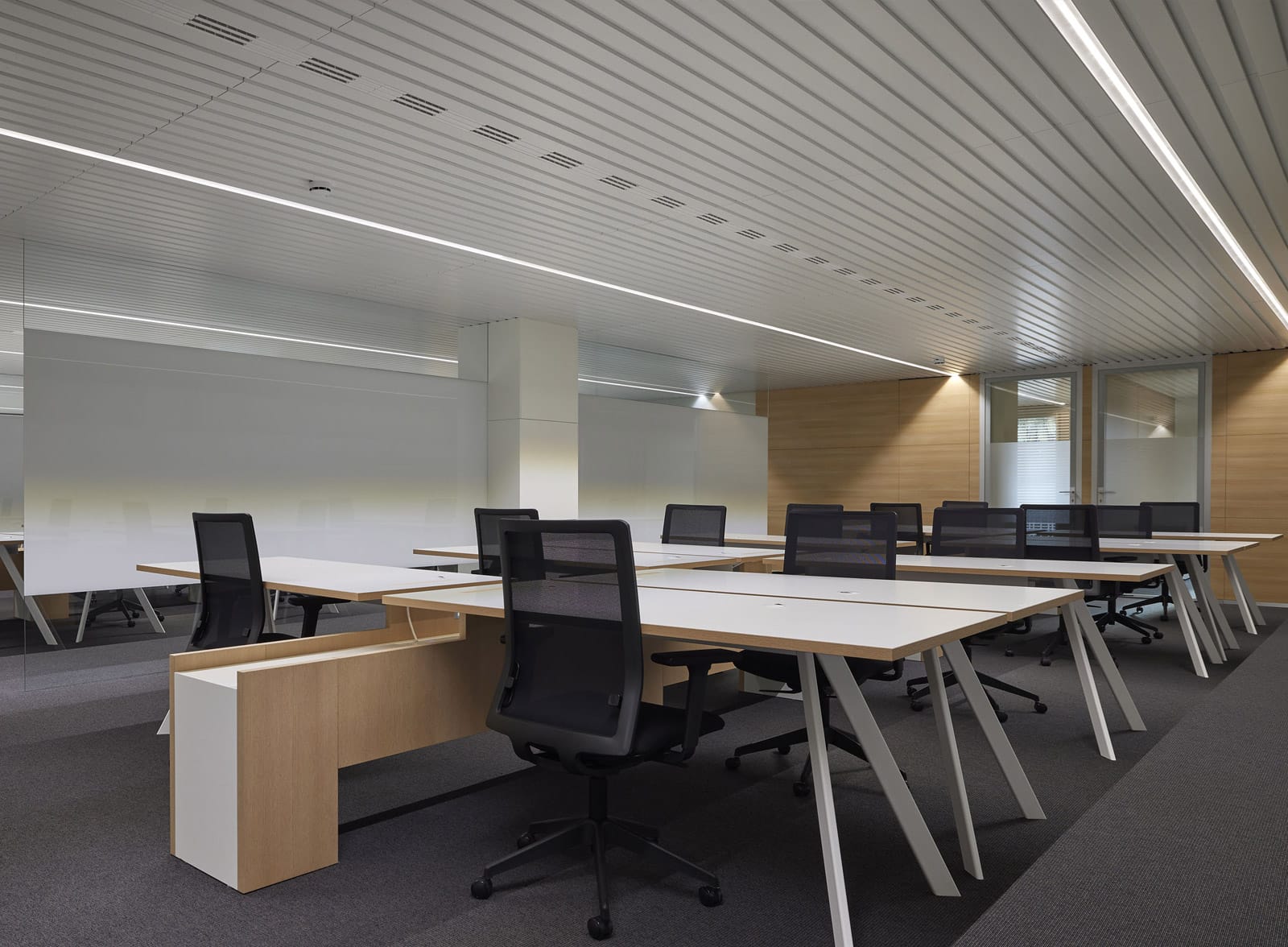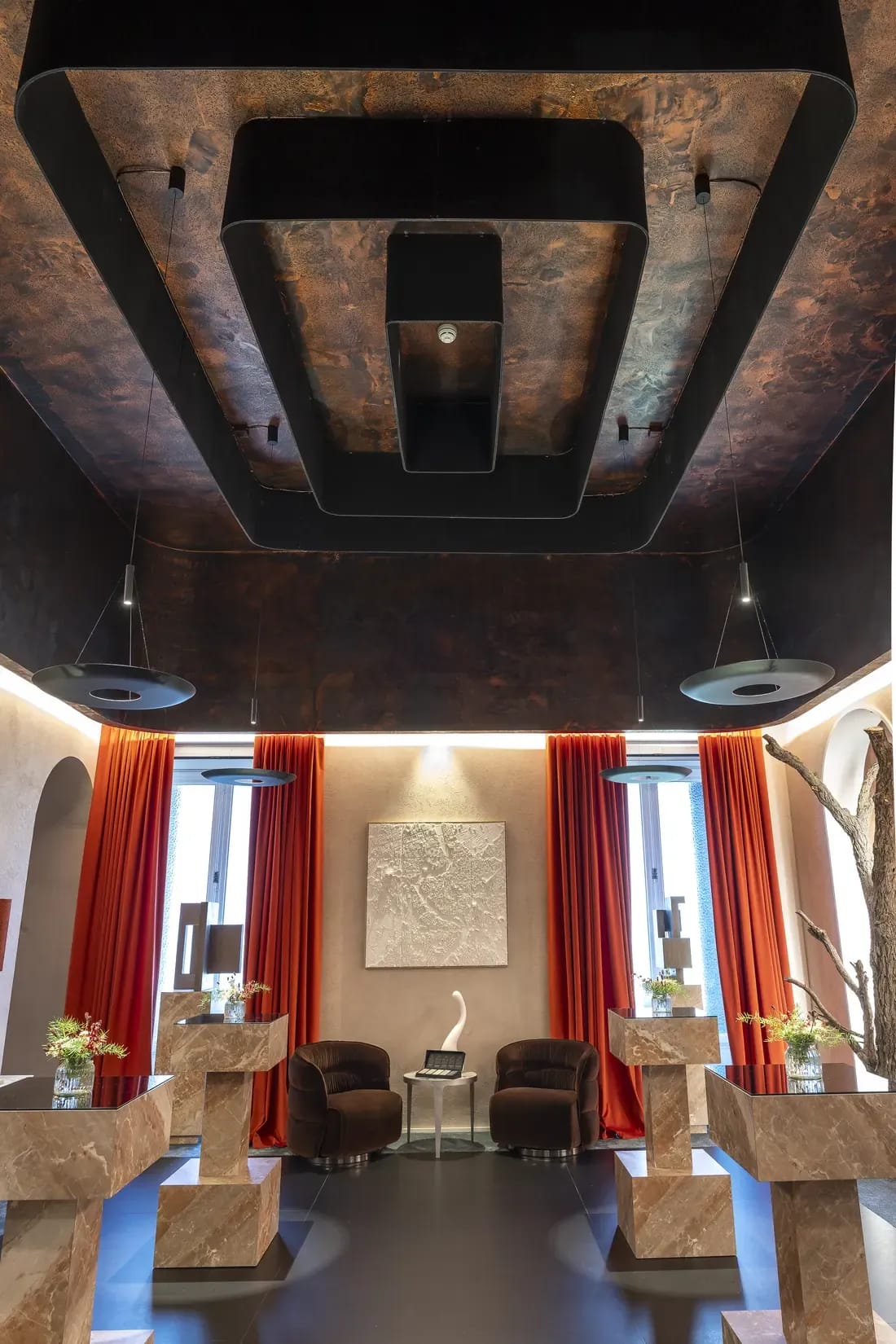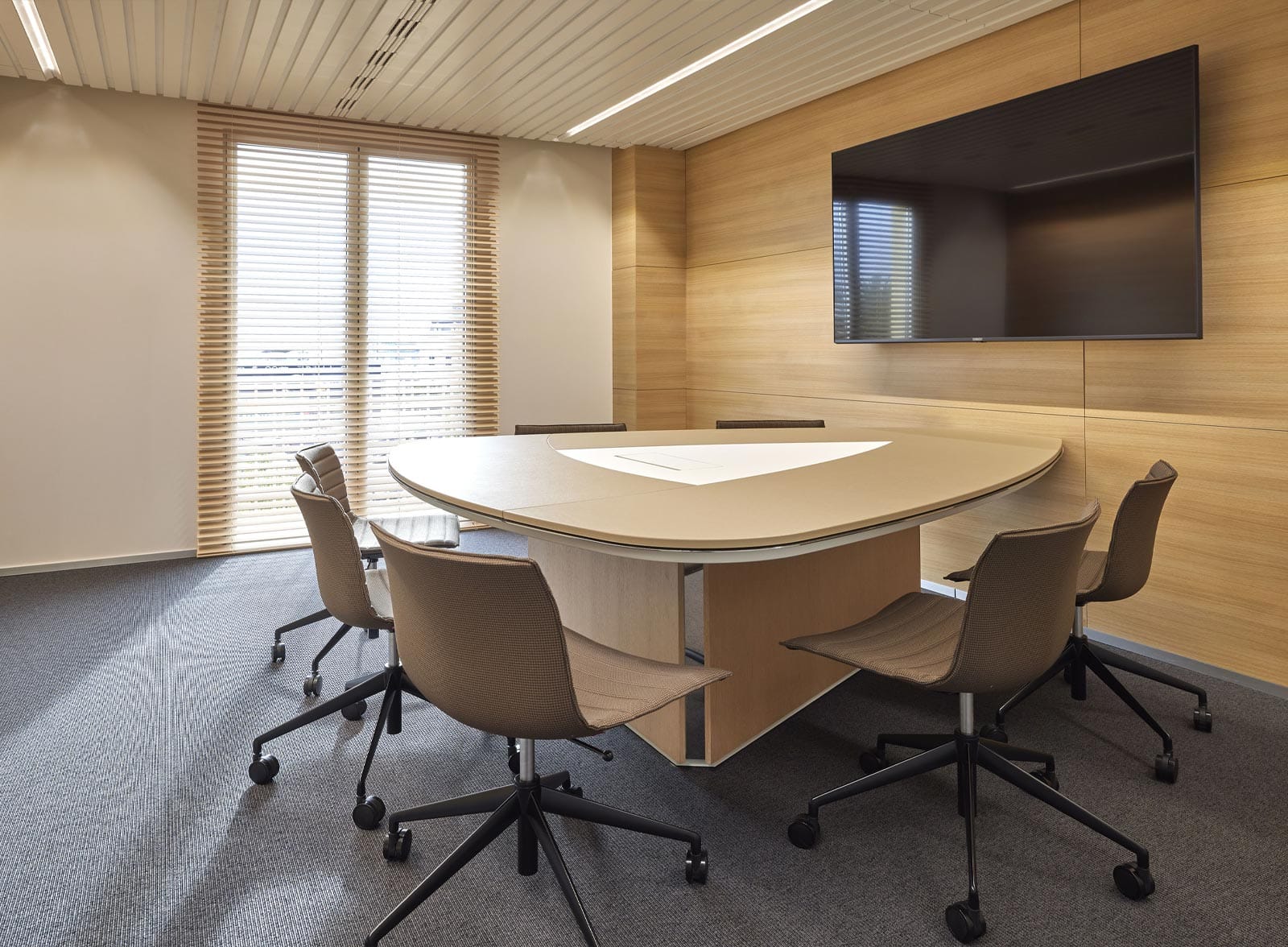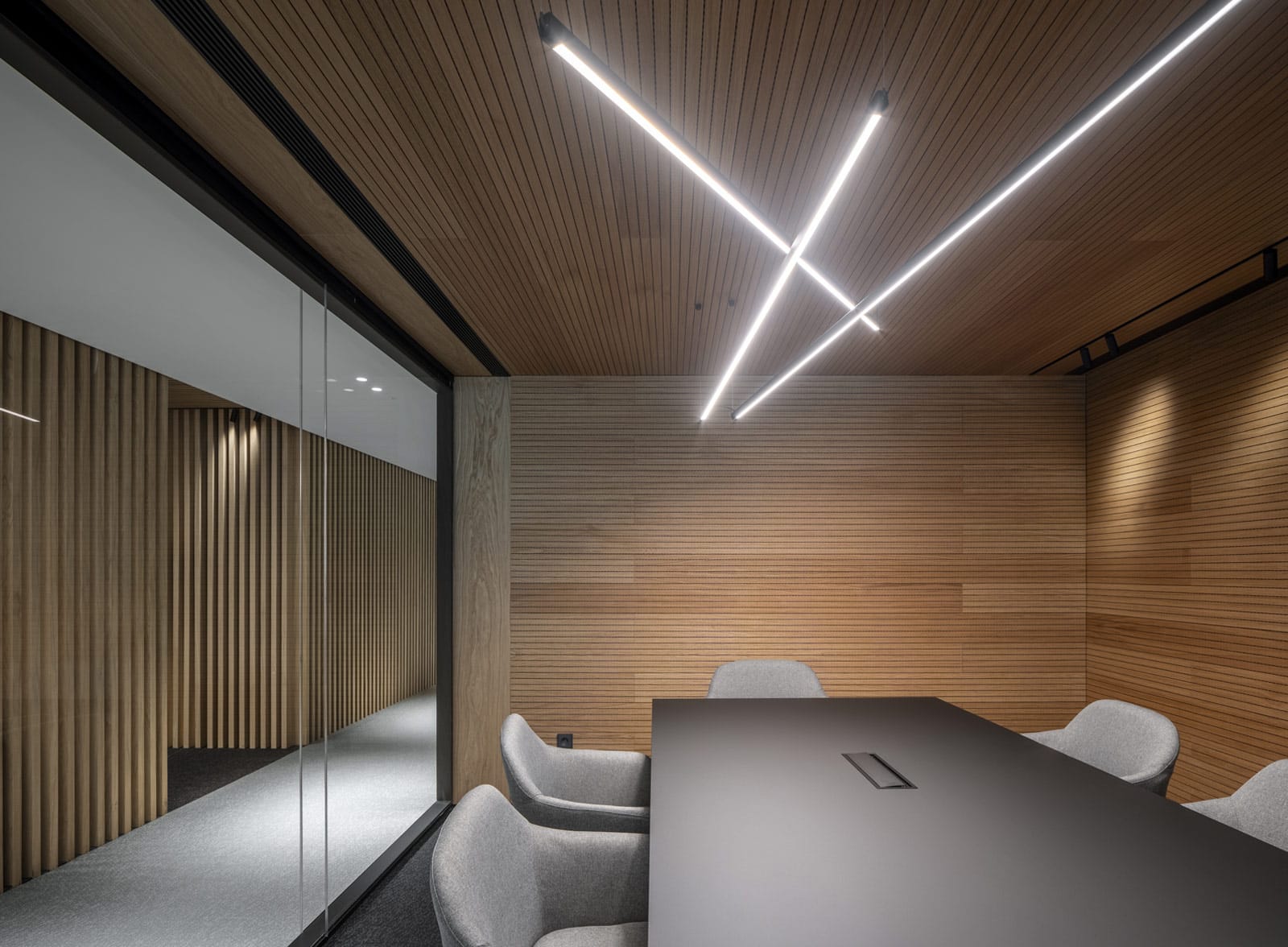
PET plastic is ideal for acoustic insulation and for being turned into new products, thereby contributing to the circular economy.
PET plastic is a material used in the manufacture of many of our everyday products. It is primarily used to make bottles and containers, but also clothing and even furniture.
In this article, we will take a closer look at its characteristics, its potential for environmental sustainability and its application in interior design; specifically, in the manufacture of sound-absorbing panels for acoustic treatment.
Discovering PET plastic: a versatile material
PET (polyethylene terephthalate) is a type of plastic that is transparent, lightweight, shatterproof and recyclable. It has a wide range of uses. It is also easy to store, transport and process. Furthermore, it is one of the few plastics that can be recycled repeatedly without losing its properties.
What is PET and what are its properties?
Here are some of the properties of PET plastic:
- Its transparency allows consumers to see the contents of the packaging clearly.
- Thanks to its excellent mechanical properties, it is a durable material. It can withstand numerous impacts without breaking; it is therefore suitable for a wide range of industrial and commercial applications.
- It is sterilised using gamma rays and ethylene oxide. This makes it suitable for medical and food packaging.
- It is the world’s most recycled plastic, which contributes to its environmental sustainability compared to other plastics. Its recyclability helps reduce plastic waste by transforming it into new products.
- It has high thermal resistance. Consequently, it can withstand moderate temperatures without significant deformation. This is important in applications where it comes into contact with hot food or is exposed to high temperatures during processing.
- It possesses high chemical resistance to gases, chemicals and corrosion. Therefore, it is suitable for use in cleaning products.
- It has excellent dimensional stability; that is, it retains its shape and size under various environmental conditions. This is important in applications where high dimensional accuracy is required, such as industrial components or machine parts.
- It acts as a moisture barrier, a feature that is particularly important in applications where moisture-sensitive packaged products are stored.
Recycling of PET plastic
The recycling process makes a significant contribution to environmental protection, particularly in Western Europe, where the use of recycled PET reduces the consumption of fossil-based plastic by up to 200,000 tonnes per year (Ecoembes, 2024).
Extending the life cycle of PET is made possible by the advanced technology and specialised machinery used in its recycling. These systems break it down and reform it, producing a recycled material that retains a high level of quality and functionality.
Recycling and reusing PET plastic reduces the use of raw materials and energy required to manufacture new materials. Furthermore, it extends the plastic’s useful life, thereby contributing to environmental sustainability.
Advantages of PET as a recyclable material
Thanks to technological advances, the energy and resource consumption involved in manufacturing PET plastic packaging has been reduced. This reduces the carbon footprint, as it generates less solid plastic waste and, as mentioned, consumes less energy (Ecoembes, 2021)
PET plastic is part of the circular economy. We know that the climate impact of the linear economy (particularly for high-volume materials) is immense. Today, technology allows a significant proportion of polymers to be recycled and converted into raw material, which is then turned into another object.
The increase in PET collection and recycling is boosting the drive to further develop its circularity (Clave XXI, 2022).
Innovations in recycling are developing rapidly. For example, in the manufacture of films and blister packs, with thicknesses of 120 µm (the previous minimum was 150 µm). This is improving the precision of rollers in many mechanised industries. Furthermore, the use of thinner materials, in the long term, leads to greater energy savings, which contributes to environmental sustainability (Repetco, 2022).
Uses and applications of PET plastic in interior design
As well as being used in furniture manufacturing, PET has become one of the most widely used materials in interior lighting design and for cladding spaces (Ecoembes, 2021).
It is logical that it is widely used in interior design, as it possesses (Martínez Giovanni, 2022):
- Resistance to high levels of humidity, temperature and light.
- High hardness and rigidity.
- Low toxicity.
- Transparency (although it can be coloured with various pigments).
- Chemical resistance (allowing it to come into contact with solvents and oils without being damaged).
- High resistance to wear, impact and breakage.
- Fire-retardant properties (it resists combustion and protects against fire).
The use of PET in acoustics
PET plastic also contributes to innovative acoustic solutions.
On the one hand, polyester fibre acoustic panels effectively absorb low frequencies (below 500 Hz). These are the frequencies associated with bass sounds, which are difficult to dampen.
On the other hand, they absorb mid-range frequencies (from 500 to 2,000 Hz) very effectively. These are typical of the human voice and workplace environments.
Furthermore, they tend to reflect high frequencies, which are absorbed by building elements, furniture and occupants. This provides a balance in the sounds.
Their acoustic treatment properties are:
- They promote a process of sound absorption. When sound waves strike a PET acoustic panel, its porous structure allows them to enter. Inside the panel, the sound energy is converted into a small amount of thermal energy through friction. This effectively reduces overall noise levels.
- It reduces echo and reverberation. In large or open spaces, sound waves can bounce off hard surfaces, creating a cacophony of overlapping sounds. By absorbing these sound waves, PET panels help to minimise echo.
- Improves speech intelligibility. This is key in spaces where clear communication is important, such as offices, classrooms and conference rooms. By reducing background noise and echoes, it makes listening and understanding easier.
PET finishes
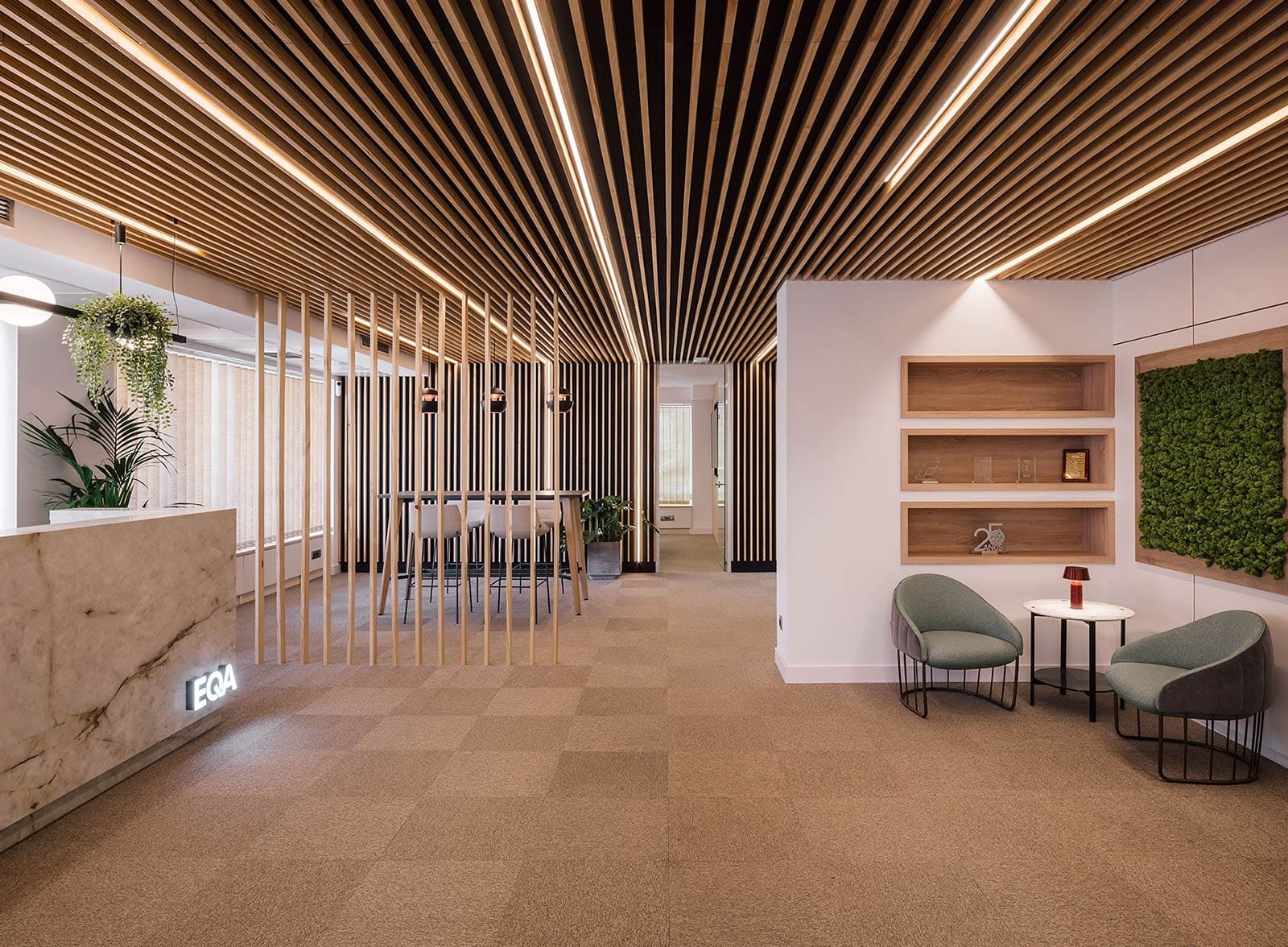
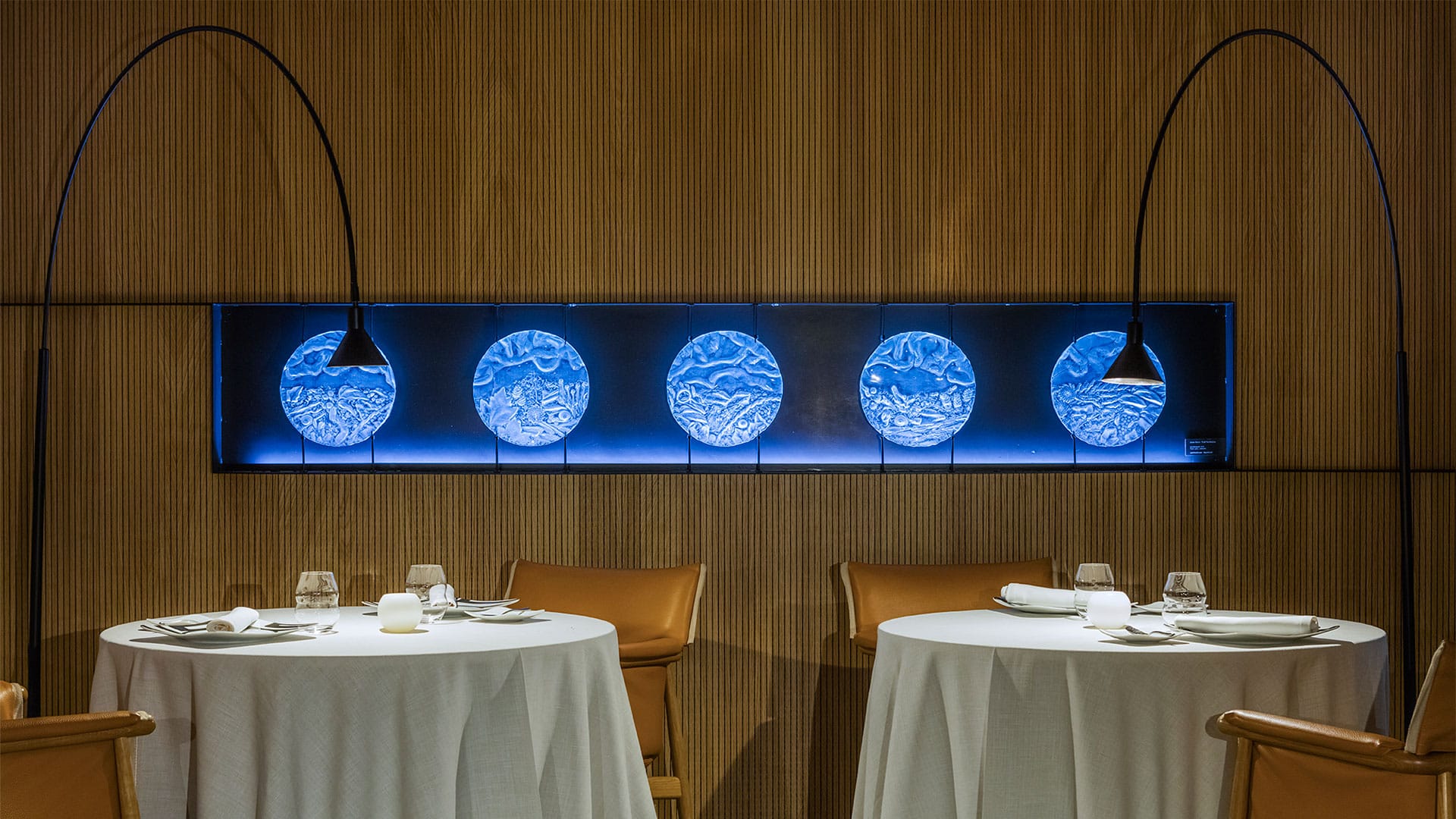
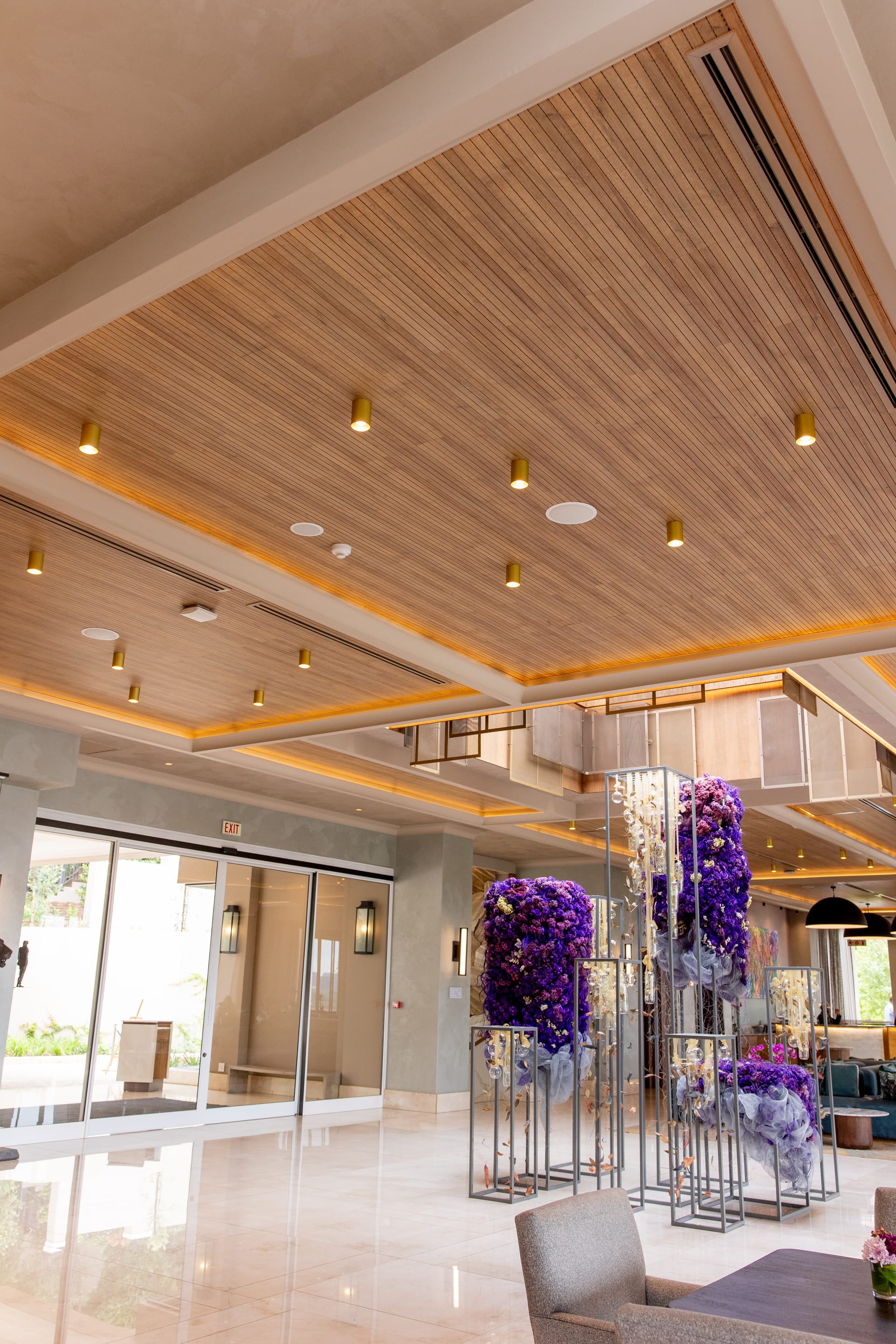
The panels differ in terms of their cut: V-shaped, die-cut, cylindrical, etc. The Cell model, for example, is curved and creates a wavy effect, allowing for two installation options: one open and one opaque.
As for their surface, some are smooth, others feature grooves with varying degrees of spacing or a rounded effect, and others are perforated.
Adding to this diversity, Ideatec offers a wide range of finishes, including: combinations with wood (melamine, veneer or solid wood), solid tinted colours, lacquers, as well as fabric coverings, which can be combined with moss.
PET product range at Ideaflow
At Ideatec, we offer a panel model made from recycled polyester fibres. It is a product committed to environmental care, offering acoustic comfort in any design and finish. It has high impact resistance and a non-reflective finish. It is easy to install, lightweight, clean and available in a wide range of colours. From all of the above, we can conclude that PET plastic is a material with great prospects and significant potential for environmental sustainability. Its use in interior design is expected to continue growing, particularly with the aim of creating environments with pleasant and healthy acoustics.
References
Clave XXI. (2022). PET recycling: a challenge of the present.
Ecoembes. (2021). What exactly is PET?
Ecoembes. (2024). What is PET?
Ideatec. (2025a). Polyester fibre (PET) in acoustic treatment.
Ideatec. (2025b). Sustainable design and acoustic comfort.
Maldonado, S. (2023). Guide to PET: properties, production and applications. Plástico.
Martínez, G. (2022). What is PET and how to use it in furniture.
Portillo, G. (2024). What is polyethylene terephthalate (PET), characteristics and uses.
Repetco. (2022). Innovative ideas in PET packaging recycling.