

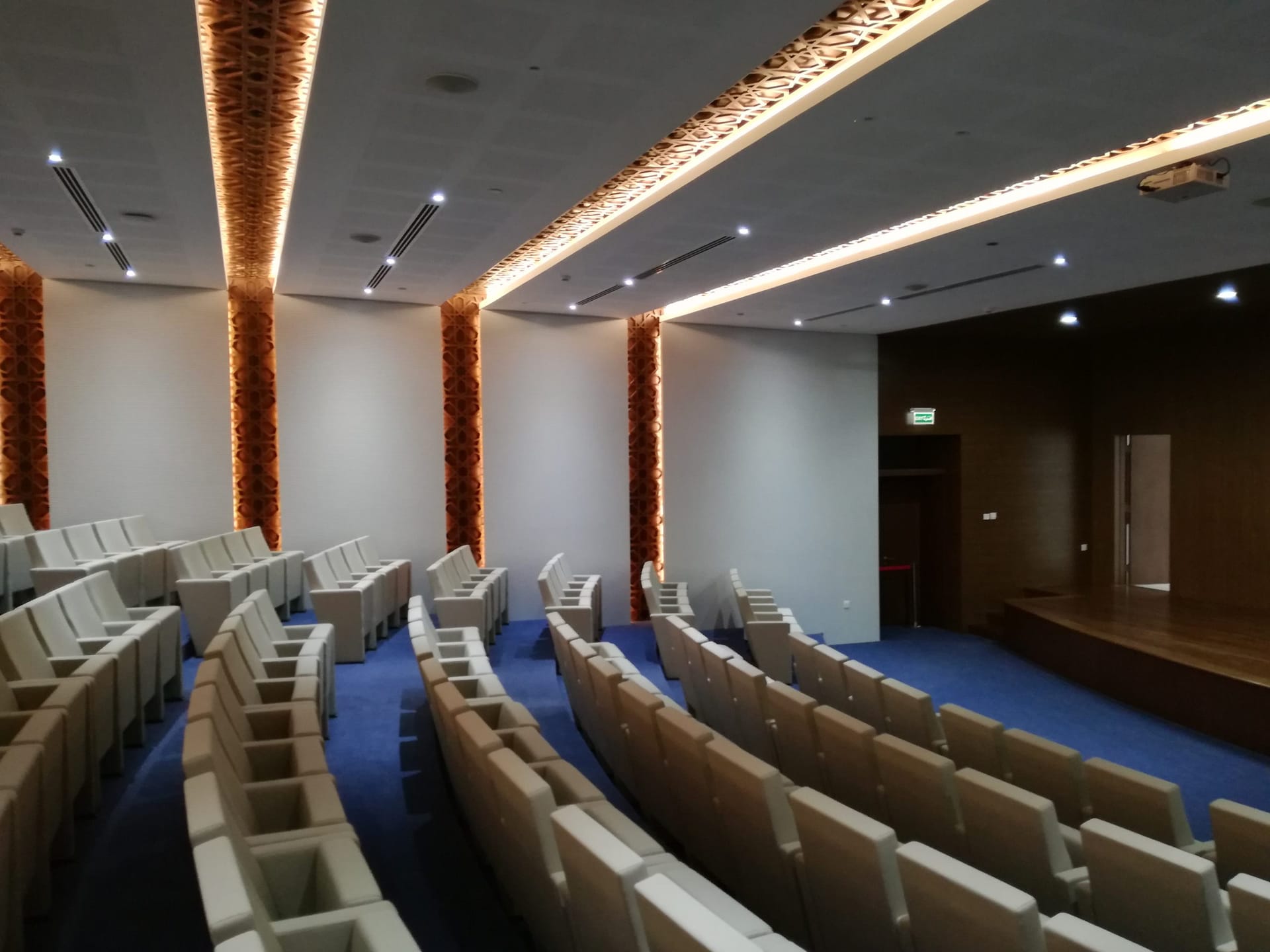
En Ideatec sabemos lo complicado que es decidirse por un tipo de absorbente acústico y os traemos una serie de consejos para su elección e instalación.
Consejos a la hora de instalar un absorbente acústico
Las superficies lisas de las habitaciones actúan como pantalla reflectante, proyectando los sonidos que se emiten en su interior y transmitiéndolos hacia el exterior. Por ello, los absorbentes acústicos se convierten en elementos fundamentales en una estancia, ya que evitan que los ruidos que en ella se emiten se filtren al exterior. Su función principal es minimizar el fenómeno conocido como reverberación a través de la absorción de las ondas de sonido, impidiendo que se distribuyan por el espacio y atraviesen las paredes. En Ideatec os traemos una serie de consejos para una adecuada elección e instalación del absorbente acústico. El primer aspecto a tener en cuenta a la hora de decantarse por un absorbente acústico determinado es el material con el que se ha fabricado. Cuanto mayor es su capacidad de absorción acústica, menos sonido refleja. En este sentido, debemos tener en cuenta aspectos tan importantes como:
- Porosidad. En general para todos los tipos de absorbente acústico a mayor porosidad, mayor absorción de todas las frecuencias, ya sean graves o agudas.
- Espesor. A mayor espesor, más absorción de las ondas de bajas frecuencias o graves. Hemos de tener en cuenta que la instalación de paneles delgados y pequeños no suelen generar cambios significativos en la acústica de un recinto.
- Densidad. Debe ser la justa, ya que si tiene un nivel bajo no logrará absorber las ondas del sonido, pero si el absorbente es demasiado denso puede producir un efecto de reflexión o rebote.
- Medidas. Existen distintas medidas de paneles acústicos, las cuales se han de tener en cuenta para realizar un buen cálculo de la cantidad que necesitamos.
Otro de los elementos que determinará el éxito de la instalación es la realización de un plano de colocación y un replanteo en el espacio donde se ubicará el absorbente acústico. Se trata de un punto fundamental ya que si los paneles no están colocados en forma equidistante o siguiendo las formas de sus cuñas, la instalación tendrá una terminación inadecuada y por tanto, perderá toda su eficacia. Por último, para obtener un resultado de calidad en la instalación del absorbente acústico es de vital importancia que la superficie donde van a quedar fijado esté limpia y libre de toda impureza que pueda disminuir su adherencia. Además, la aplicación de la cola en los materiales acústicos debe hacerse en su justa medida. Una vez realizado todo esto, solo queda disfrutar de una sala acústicamente confortable y con unos tiempos de reverberación muy bajos. En Ideatec te ofrecemos un trato completamente personalizado a la hora de elegir cualquiera de nuestras soluciones acústicas. Además, te garantizamos que todas ellas son creadas con la mejor calidad de materiales y siendo responsables con el medio ambiente, sin renunciar a un diseño e imagen atractivos y elegantes. What’s more, we guarantee that all our products are made using the highest quality materials and with a commitment to environmental responsibility, without compromising on attractive and elegant design and aesthetics.